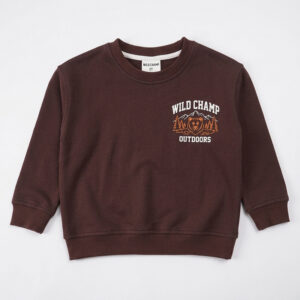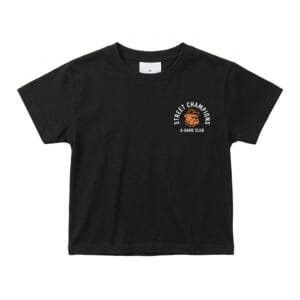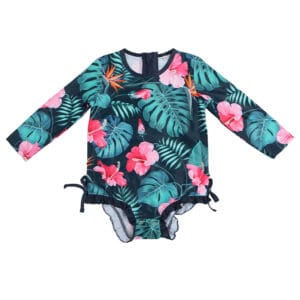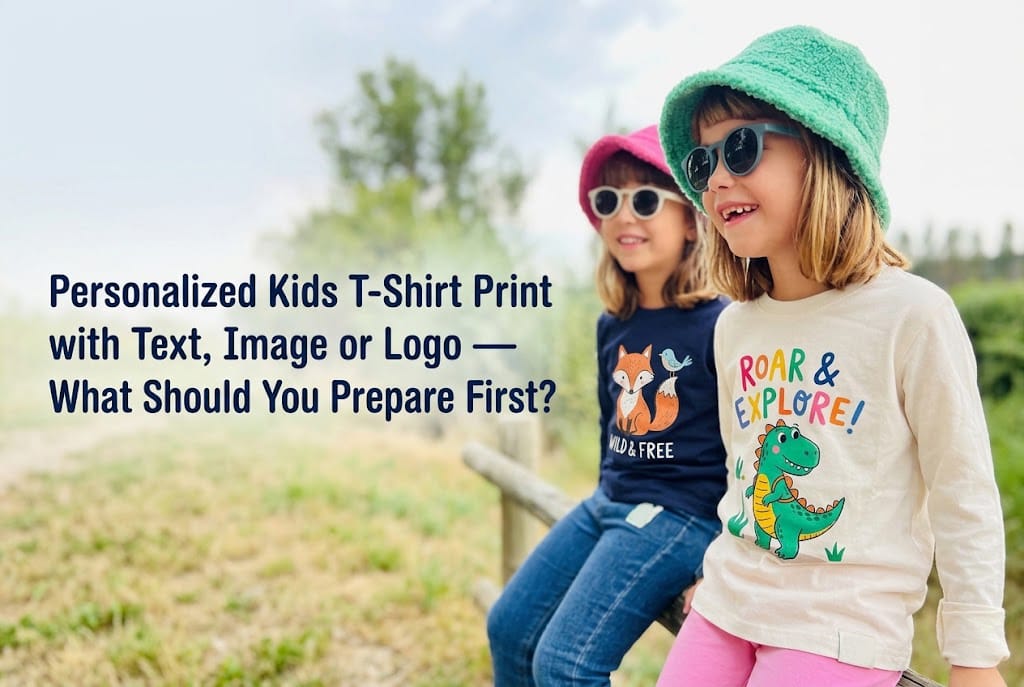
Personalized Kids T-Shirt Print with Text, Image or Logo — What Should You Prepare First?
Personalized kids' T-shirt print projects usually fail long before the sewing floor. They fail when a brand sends a phone screenshot and expects a factory to return a saleable garment. Every rejected sample costs money and calendar weeks. I have watched that loop repeat for years, and it almost always comes down to four decisions made too late.
Before you ask for a personalized kids' T-shirt print quote, prepare four things: a production-ready vector or high-resolution file, a Pantone or physical colour reference, a realistic order quantity per style, and the garment's real wearing and washing life. Screen printing, digital printing, puff, water-based, embroidery and appliqué each suit different artwork, so the file and the method must be chosen together.
The rest of this article follows the order I actually work in with clients. File first, then colour, then method and cost, then the physical limits of children's fabric. Each step decides what the next one can be.
What File Do You Need Before a Personalized Kids' T-Shirt Print Quote?
Clients often ask me which print method is cheapest before they send any artwork. I understand the instinct, but I cannot answer it. The file decides the method, not the other way round. This is the single biggest source of wasted sampling budget I see.
A production-ready file is usually a vector file vs. raster image (AI, EPS, PDF) or a high-resolution raster image at 300 DPI at final print size. Text should be converted to outlines, colours should be listed as Pantone references, and the artwork should sit on a transparent background with clear dimensions. I also ask for a mock-up showing where the print sits on the garment.
The gap between what clients send and what the factory needs
Here is a real pattern from our sample room:
- A brand sends a JPEG logo pulled from its website.
- I open it and find the edges are soft and the smallest text is four pixels tall.
- The print technician says it will look broken at 6 cm wide.
- We redraw it, send a revised file back, and the client approves a version they have never seen on fabric.
- The first sample arrives, and the logo looks different from the website, so the client wants a second round.
That fifth step is where money disappears. Not because the factory did anything wrong, but because nobody agreed on the file before the garment existed.
What I ask clients to send
- Vector artwork, or the largest original file they hold — never a screenshot.
- Pantone references for every colour, or a physical swatch.
- Minimum text height guidance for their own artwork: if a letter is thinner than a couple of millimetres, expect it to close up.
- A print size in centimetres, not "medium."
- Written approval of a digital mock-up before sampling.
One redraw before sampling costs far less than one reprint after bulk.
How Does Color Matching Work in Personalized Kids' T-Shirt Printing?
Screen colour is not fabric colour. A brand approves a bright coral on a monitor, then holds the dyed cotton next to that monitor and calls it wrong. I see this on maybe one order in five, and it is entirely preventable.
Colour approval is a confirmation step, not a preference. For dyed fabric, we confirm Pantone Fashion, Home + Interiors (TCX) references and, where the client wants certainty, produce a lab dip or a strike-off on the actual base cloth. For print, approval should happen on the same fabric, the same ink type and the same method that bulk will use. A print sample on white cotton tells you very little about how the same print will read on a heather grey tee.
Why the same colour behaves differently on different garments
Three variables change what a customer sees:
- Base fabric colour. Printing on light and dark grounds needs different ink behaviour, and light inks on dark fabric usually need an underlay.
- Fabric texture. Cotton jersey, fleece and rib absorb ink differently, so a flat graphic can look softer on one and sharper on the other.
- Method. The same artwork through digital print, screen print and embroidery will not match each other exactly.
I keep a simple rule for clients: approve colour on the garment, not on the screen. If the colour is critical to your brand identity, budget for a strike-off and sign it off physically. That signed swatch becomes the reference for the whole order.
How Does the Print Method Change MOQ, Cost and Lead Time?
Graphic complexity and print method move your opening cost far more than total quantity does. Small-batch and pre-order sellers feel this most, because they want many designs in small runs, and every design carries its own setup.
There is no single cheapest method. There is only the method that fits your artwork, your quantity and your price point. As a working range, our own floor on many kidswear styles starts around 100 pieces per style, but that number moves with fabric choice, print technique and construction. Treat any factory's stated figure as a starting point for a conversation, not a promise.
| Print method | Best suited artwork | Effect on setup and MOQ |
|---|---|---|
| Screen print | Bold shapes, limited colours, solid text | Setup per colour; rewards larger runs |
| Digital / DTG | Photos, gradients, fine detail | Low setup; per-piece cost stays high at volume |
| Water-based print | Soft hand feel, vintage looks | Depends on base fabric and wash expectations |
| Puff print | Raised type and dimensional shapes | Limited fine detail; heavier deposit |
| Embroidery | Logos, small chest marks | Digitising needed; thread limits fine lines |
| Appliqué | Large shapes, contrast panels | Adds fabric and extra sewing steps |
| All-over print | Full-panel patterns | Requires printed fabric; longer lead time |
Lead time works the same way. Our sample rounds typically run about 7–15 days depending on fabric availability and design complexity, and bulk production generally sits around 6–8 weeks depending on volume and garment construction. Multiple print techniques on one order, or fabric that has to be dyed and printed from scratch, both push that timeline out.
For a pre-order brand, the practical takeaway is this: fewer techniques per drop, artwork that suits one method, and sample approval completed before you open the pre-order window.
What Limits Do Kids' Fabrics and Washing Put on Print Detail?
Children's garments live a harder life than adult garments. They get washed more often, worn harder, and they sit against skin that is more sensitive. A design that looks impressive on a moodboard can be the wrong choice for a child's jersey tee.
Fine gradients, hairline outlines and dense full-coverage prints are the usual offenders. On a soft cotton knit, ink spreads slightly, so a one-millimetre line can close up. Dense coverage over a large area also changes how the fabric feels and moves. I now ask clients a simple question early: "Which matters more here, the detail or the hand feel?"
Choosing for the task, not the look
- Small text and thin outlines work better through embroidery or a simplified vector than through fine screen or digital detail.
- Large solid blocks suit screen print and appliqué, where coverage is the point.
- Photographic artwork belongs with digital printing, and often on a larger placement rather than a small one.
- Anything near the neckline or under a label deserves a second look, because it sits against skin all day.
Our factory operates under GOTS, OEKO-TEX Standard 100, OCS, CPC and BSCI requirements as part of our quality system, and our QC team runs shrinkage, colour fastness, seam strength and needle detection checks. That is our internal context, not a guarantee for your product. Ask for the actual certificates, read the scope, and check it against your own market's rules for children's apparel. If compliance is critical, have a qualified professional review it for your application.
Frequently Asked Questions
Can I print a photo or a screenshot on a kids' T-shirt?
A screenshot rarely works, because its resolution is too low for print. A photograph can work well through digital printing if you supply the original high-resolution file and accept that fine detail softens on cotton knit. Send the largest original you have and ask for a mock-up first.
Do I need Pantone colours for my artwork?
Pantone references make colour approval far easier, especially if you reorder the same design later. If you do not have them, supply a physical swatch or a clear reference sample. Always approve the final colour on the actual fabric, not on a screen.
Which print method is best for a small first order?
For small runs with detailed artwork, digital printing usually avoids the per-colour setup that screen printing carries. Simple, bold graphics can still be economical in screen print if you keep the colour count low. The right answer depends on your artwork, quantity and price point.
Will the print survive repeated washing?
It depends on the ink, the fabric, the print method and how the garment is washed. I always recommend that buyers verify fastness claims against actual test reports rather than marketing statements, and that they check the apparel care labelling guidance with their print supplier before launch.
Conclusion
Personalized kids' T-shirt print is a selection decision, not a send-us-your-image service. The file comes first, colour approval comes second, and the print method follows from both. Order quantity, artwork complexity and the child's real wearing and washing life then decide what is actually viable. Get those four steps right and you protect your sampling budget and your launch date at the same time.
If you are preparing a first drop or moving an existing design into production, send us your artwork and target quantity. Our team will review the file, recommend a print approach, and quote based on your order instructions — usually within about two days.