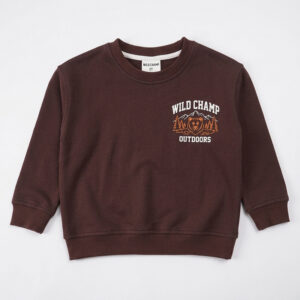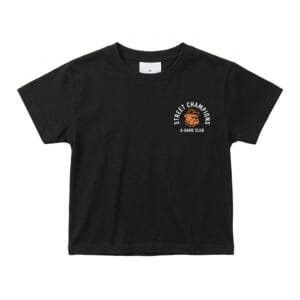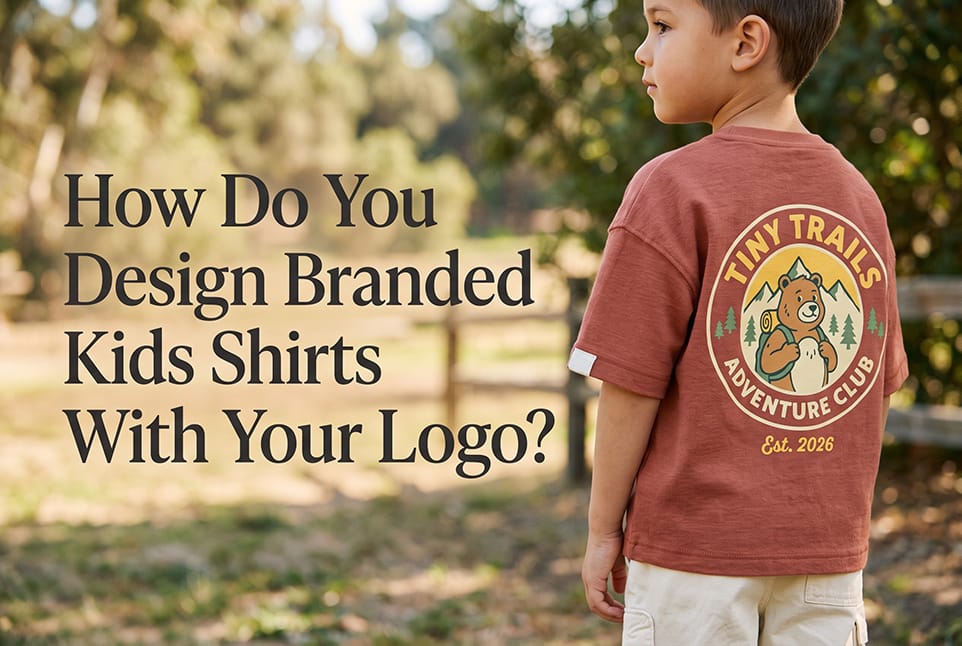
How Do You Design Branded Kids Shirts With Your Logo?
Branded kids shirts look simple from the outside, but one weak decision can make the final product feel generic, uncomfortable, or inconsistent. I often see brands start with only a logo file, then discover that fabric, fit, placement, printing method, and private-label details all affect the result. The solution is to treat logo shirts as product development, not quick decoration.
To design branded kids shirts with your logo, you need to confirm the logo file, shirt fabric, garment fit, logo size, placement, decoration technique, sample approval, care labels, neck labels, packaging, and bulk quality standards before production. A strong OEM/ODM process turns your logo into a comfortable, durable, brand-ready kidswear product.
A logo can make a children’s T-shirt recognizable, but the shirt itself must still work as a real garment. Below, I will walk through the decisions I usually review with brand customers before sampling and bulk production begin.
What Should You Prepare Before Making Branded Kids Shirts?
Starting branded kids shirts without clear preparation can create delays, unclear quotations, and disappointing samples. I have seen projects slow down because the logo was ready, but the fabric, size spec, color reference, and logo placement were not confirmed. A better starting package helps the factory develop your product correctly.
A brand should prepare logo artwork, design references, size specifications, fabric preferences, Pantone color references, logo placement details, quantity targets, and branding requirements before making branded kids shirts. These details help the manufacturer quote accurately, make samples faster, and reduce revisions before bulk production.
A logo file is only the beginning
Many new brands believe they can send a logo and immediately receive a perfect custom kids’ T-shirt. In reality, the logo is only one part of the development package. At Kids Wear Factory, I often receive AI, PDF, PNG, or PSD logo files, plus inspiration photos or rough design ideas. That can be enough to start a discussion, but it is not always enough for reliable sampling.
Before production, I usually help confirm:
- Artwork quality: Vector files are best for clean printing and embroidery.1
- Logo size: A 6 cm chest logo feels very different from a 28 cm front print.
- Logo placement: Center chest, left chest, back print, sleeve logo, or hem detail.
- Color references: Pantone references reduce color misunderstanding.2
- Fabric choice: Organic cotton, bamboo cotton, lyocell, hemp blends, or other options.
- Fit direction: Regular, oversized, boxy, cropped, longline, or streetwear-inspired.
- Decoration method: Screen print, digital print, embroidery, puff print, appliqué, or water-based print.
What information helps quotation?
A quote for branded kids shirts is not just a “logo printing price.” It depends on garment construction, material, order quantity, decoration method, color count, and trims.3 I usually need to understand the complete product before giving a meaningful estimate.
| Item to Confirm | Why It Matters |
|---|---|
| Fabric type and weight | Affects comfort, shrinkage, price, and print result |
| Size range | Affects grading, consumption, and production planning |
| Logo technique | Affects setup cost, durability, texture, and lead time |
| Order quantity | Affects unit price and MOQ planning |
| Labels and packaging | Affects private-label presentation and finishing cost |
| Sample complexity | Affects sample lead time and revision rounds |
For example, a simple left-chest water-based print on an in-stock cotton T-shirt is very different from a heavyweight oversized shirt with puff print, sleeve embroidery, woven neck label, custom hangtag, and individual polybag packaging.
My practical advice
I recommend that brands prepare a small “starter brief” before contacting a factory. It does not need to be perfect. However, it should answer these questions:
- What age range or size range do you want?
- What fit do you want the shirt to have?
- Do you prefer organic or sustainable fabrics?
- Where should the logo appear?
- Should the logo feel soft, raised, textured, premium, or bold?
- Do you need private-label trims?
- What is your approximate order quantity per style?
This preparation saves time. It also helps the factory act as a development partner instead of guessing your brand direction.
Which Logo Technique Works Best for Branded Kids Shirts?
Choosing the wrong logo technique can make branded kids shirts uncomfortable, too stiff, too expensive, or unsuitable for washing. I always remind brands that the best method is not the most fashionable method. The best method is the one that fits the fabric, design, comfort requirement, and brand position.
The best logo technique for branded kids shirts depends on the fabric, artwork, desired hand feel, durability needs, and target price. Screen printing suits bold graphics, digital printing suits detailed artwork, embroidery adds texture, puff print creates dimension, and water-based printing keeps the shirt soft for children.4
Common logo methods and when they make sense
Different logo techniques create different results. I do not recommend choosing based only on a photo. The shirt fabric, children’s comfort, wash performance, and production volume should all guide the decision.
| Logo Technique | Best For | Main Advantage | Buyer Should Watch |
|---|---|---|---|
| Screen printing | Bold logos, simple graphics, larger quantities | Stable color and efficient production | Setup cost and color count |
| Digital printing | Detailed artwork, gradients, smaller runs | Good detail and flexible design | Fabric compatibility and wash feel |
| Water-based printing | Soft hand feel, casual kidswear | Comfortable and breathable | Color vibrancy can vary by fabric |
| Puff printing | Streetwear-inspired raised logos | Strong visual texture | Thickness and comfort need checking |
| Embroidery | Premium small logos, chest marks | Durable and elevated look | Can feel heavy on thin fabrics |
| Appliqué | Statement branding and patch effects | Dimensional and high-impact | Higher complexity and cost |
How I match technique to product style
For soft everyday kids’ T-shirts, I often suggest water-based printing or a soft screen print because children need comfort. A large plasticky print on a toddler shirt may look attractive in a photo, but it can feel heavy, warm, or stiff during wear.5
For streetwear-inspired kidswear, brands often ask for puff print, oversized fits, heavyweight cotton, or bold back logos. This can work well, especially for boutique or mid-to-high-end children’s clothing brands. However, I still recommend sampling first because puff height, print area, and fabric weight can affect comfort and wash durability.
For premium minimalist branding, embroidery can be beautiful. A small chest logo or sleeve logo can make the shirt feel more refined. But embroidery on a thin bamboo or lightweight cotton fabric may cause puckering if the stabilizer, stitch density, or placement is not handled correctly.6
Comfort matters more in children’s clothing
Children’s apparel needs extra attention because the wearer is active, sensitive, and not always gentle with garments.7 I usually check the decoration method against these practical questions:
- Does the logo area feel rough against the skin?
- Does the print reduce breathability too much?
- Does the embroidery backing irritate the child?
- Will the logo crack, peel, or distort after washing?
- Does the decoration match the brand’s price position?
At Kids Wear Factory, I treat logo selection as a balance between design and manufacturing reality. A logo should support the brand image, but it should not make the shirt uncomfortable or difficult to produce consistently.
How Do Fabric and Fit Affect Branded Kids Shirts?
A logo may attract attention first, but fabric and fit decide whether branded kids shirts feel premium after a child wears them. I have handled projects where the artwork looked strong, but the wrong fabric weight or fit direction made the sample feel off-brand. Fabric and fit must be confirmed early.
Fabric and fit affect branded kids shirts by controlling comfort, drape, durability, shrinkage, print performance, and brand appearance.8 Organic cotton, bamboo blends, hemp, linen, and lyocell can each support different product goals, while regular, oversized, and streetwear fits require different pattern and size decisions.
Fabric is part of the brand experience
For children’s clothing brands, fabric is not just a cost item. It communicates quality. Many of our customers choose organic cotton, bamboo fiber, bamboo-cotton blends, hemp, linen, lyocell, or other sustainable materials9 because their shoppers care about comfort and responsible sourcing.
However, every fabric behaves differently.
| Fabric Option | Typical Strength | Production Consideration |
|---|---|---|
| Organic cotton | Soft, familiar, versatile | Shrinkage and weight should be checked |
| Bamboo fiber | Smooth hand feel and drape | May need careful fit and print testing |
| Bamboo-cotton blend | Softness with better structure | Blend ratio affects feel and durability |
| Hemp blend | Natural texture and durability | May feel more rustic than cotton |
| Linen blend | Breathable and premium look | Wrinkling and texture are part of the style |
| Lyocell blend | Smooth, modern, soft drape | Needs suitable construction and care testing |
If a brand wants a structured oversized kids’ streetwear shirt, I may recommend a heavier cotton or cotton blend. If the brand wants a soft everyday essential, a smoother cotton or bamboo blend may make more sense.
Fit changes the logo result
Logo placement cannot be separated from fit. A center chest print on a regular shirt may look balanced, but the same logo on an oversized drop-shoulder T-shirt may need a different size or position. A boxy silhouette creates more front body space. A narrow fit may make a large logo look crowded.
I usually review:
- Shoulder width
- Body length
- Chest width
- Sleeve length
- Neck rib width
- Hem shape
- Logo distance from neckline
- Logo proportion across size range
Children’s clothing also needs grading care. A logo that looks perfect on size 6 may look too large on size 2 and too small on size 12. Some brands use one logo size across all sizes to control cost. Other brands use graded logo sizes for better visual balance. Both choices can work, but the decision should be intentional.
Shrinkage and wash performance matter
Fabric shrinkage can change the final fit and logo appearance.10 That is why quality control should include fabric shrinkage testing and wash checks where appropriate. A shirt that looks perfect before washing but twists, shrinks, or distorts after laundering can damage the customer experience.
In my work, I prefer to confirm fabric behavior before bulk production. For market-specific compliance, safety, and certification requirements, buyers should verify the documents and testing needs for their target country or region with qualified professionals or recognized testing bodies. A manufacturer can support production and provide available documentation, but the brand should confirm its own market obligations.
Why Is Sampling Important for Branded Kids Shirts?
Skipping or rushing samples can turn branded kids shirts into a risky bulk order. A digital mockup cannot fully show fabric feel, logo texture, print scale, fit balance, or child comfort.11 I see sampling as the stage where a brand catches problems while they are still affordable to fix.
Sampling is important for branded kids shirts because it verifies fabric, fit, logo size, decoration effect, placement, comfort, and construction before bulk production. A good sample process reduces production risk, helps confirm revisions, and gives the buyer a physical reference for quality approval.
What the first sample should prove
The first sample does not need to solve every final packaging detail. In many projects, I recommend simplifying trims during the first prototype so the brand can focus on the main product. Final branded labels, hangtags, and packaging can be confirmed before bulk production.
A first sample should usually verify:
- Fabric hand feel
- Garment fit
- Logo size and placement
- Print or embroidery effect
- Basic stitching quality
- Comfort against the skin
- Color direction
- Overall brand impression
Our standard sample lead time is typically 7–15 days, depending on fabric availability and design complexity. If the fabric needs special sourcing, development may take longer. For faster prototype development, I often advise brands to use available dyed or printed fabrics first, then refine final fabric later if needed.
Revisions are normal
A sample is not a failure if it needs changes. It is a tool. A brand may adjust the logo down by 2 cm, soften the print hand feel, change the neck rib, widen the body, shorten the sleeves, or switch from digital print to screen print. These changes are much easier during sampling than after cutting bulk fabric.
Common sample revisions include:
- Logo is too large for smaller sizes.
- Print color does not match the brand reference.
- Shirt body is too narrow or too long.
- Fabric feels too light for the target price point.
- Embroidery creates puckering.
- Puff print is too thick for young children.
- Neck opening needs adjustment for comfort.
Bulk approval needs a clear reference
Once a sample is approved, it becomes the physical standard for production. This is important because bulk manufacturing needs consistency. The approved sample helps align the customer, merchandiser, pattern team, printing team, sewing team, and QC team.
For branded kids shirts, I like to keep approval clear and written. The buyer should confirm the sample, size spec, fabric, logo method, Pantone references, labels, packaging, and order quantity before bulk begins. This avoids the common problem of “I thought it would be slightly different.”
In our factory context, bulk production usually takes 6–8 weeks, depending on order volume and garment complexity. Flexible minimum order quantities can start from 100 pieces per style, but final feasibility depends on fabric, decoration, and sourcing requirements.
What Private-Label Details Make Branded Kids Shirts Feel Professional?
A front logo alone does not always make branded kids shirts feel like a finished retail product. Without proper labels, hangtags, packaging, and size information, the shirt may look like a generic printed blank. I believe private-label finishing is where a brand becomes more memorable.
Private-label details make branded kids shirts feel professional by adding neck labels, care labels, size labels, hangtags, packaging, logo trims, and consistent brand presentation. These elements help customers recognize the product as part of a real children’s clothing brand rather than a basic promotional T-shirt.
Branding does not stop at the logo
A finished kidswear product has many touchpoints. The main logo may be on the chest or back, but the customer also sees the neck label, swing tag, packaging, and care label. These details shape the buying experience.
At Kids Wear Factory, we support:
- Custom neck labels
- Care labels
- Size labels
- Hangtags
- Custom logos
- Individual packaging
- Private-label solutions
- Size specifications
- Brand color references
For first samples, I often suggest keeping packaging and trims simple. This keeps early development faster and more cost-effective. After the sample direction is approved, the brand can finalize woven labels, printed labels, hangtags, barcode stickers, packaging bags, and carton marks.
Label choices affect comfort
Children’s clothing labels should not be treated as decoration only. A scratchy woven label at the back neck can irritate children. A large care label in the side seam can bother sensitive wearers. Some brands prefer printed neck labels for comfort. Others prefer woven labels for a premium look.
Here is a simple comparison:
| Label Type | Best Use | Comfort Note |
|---|---|---|
| Printed neck label | Soft everyday kidswear | Very comfortable when done well |
| Woven neck label | Premium brand presentation | Needs soft edge and good placement |
| Satin label | Smooth feel | Can suit higher-end garments |
| Care label | Legal and care information | Placement should avoid irritation |
| Hangtag | Retail presentation | Removed before wear, so comfort is not an issue |
Buyers should also verify required care, fiber content, origin, and safety labeling rules for their target markets.12 Requirements can vary by country, selling platform, and product category.
Packaging should match the brand level
Packaging does not need to be excessive. In fact, many modern children’s brands prefer simple and responsible packaging. Still, packaging should protect the garment and present the product consistently.
A practical packaging plan may include:
- Fold method
- Size sticker
- Hangtag placement
- Individual bag type
- Carton packing ratio
- Carton marks
- Barcode or SKU labels if needed
For online brands, packaging matters because the customer may first experience the product at home. For boutique brands, hangtags and garment presentation matter because the item may sit on a retail rack. In both cases, branded kids shirts should feel intentional from the first touch to the first wash.
How Should You Evaluate a Supplier for Branded Kids Shirts?
Choosing the wrong supplier can make branded kids shirts inconsistent across samples, bulk production, and repeat orders. Some suppliers treat the project like simple promotional printing, but children’s apparel brands need stronger garment development. I recommend evaluating both customization ability and manufacturing control.
You should evaluate a supplier for branded kids shirts by checking their kidswear experience, fabric sourcing ability, sampling process, logo technique knowledge, private-label support, MOQ flexibility, quality control steps, lead times, communication clarity, and available compliance documents for your target market.
Look for garment manufacturing experience
A promotional printer may be able to place a logo on a blank shirt. However, a children’s clothing brand usually needs more than that. The brand may need custom fit, sustainable fabric sourcing, original colors, special printing, size grading, labels, packaging, and repeatable quality.
When I speak with buyers, I suggest asking suppliers these questions:
- Do you develop custom kidswear patterns?
- Can you work from tech packs and reference images?
- Can you source organic or sustainable fabrics?
- Do you support OEM and ODM development?
- Can you produce samples before bulk?
- What logo techniques do you offer?
- What is your MOQ per style?
- How do you inspect fabric and finished garments?
- Can you support private-label trims and packaging?
- What documents or certifications can you provide for verification?
Quality control should be visible
For children’s apparel, quality control should cover more than appearance. It should include fabric and garment checks that support comfort, durability, and production consistency.
In our production environment, QC can include:
- Fabric shrinkage testing
- Color fastness checks
- Fabric defect inspection
- Elasticity and breathability checks where relevant
- Seam strength testing
- Garment durability verification
- Needle detection
- 100% final inspection before shipment
For certifications such as GOTS, OEKO-TEX Standard 100, OCS, CPC, or BSCI-related requirements, buyers should request current documents and verify whether they apply to the specific product, fabric, factory, or market. I always recommend that brands confirm regulatory and testing needs with qualified compliance professionals, especially when selling children’s products in North America, Europe, Australia, or the Middle East.
Compare suppliers beyond unit price
A low unit price can become expensive if the product fails sampling, shrinks too much, feels uncomfortable, or arrives with inconsistent logo placement. A more useful supplier comparison includes both price and development reliability.
| Evaluation Area | Why It Matters |
|---|---|
| Sampling quality | Shows whether the supplier understands your product |
| Communication | Reduces mistakes in artwork, sizing, and trims |
| Fabric access | Affects sustainability, comfort, and lead time |
| Decoration knowledge | Helps match technique to design and fabric |
| QC process | Supports consistency across bulk production |
| MOQ flexibility | Helps emerging brands manage inventory |
| Lead time control | Supports launch planning |
| Private-label support | Makes the product retail-ready |
At Kids Wear Factory, our role is not only to sew shirts. I see our role as helping brands turn ideas, logo files, and design references into production-ready children’s apparel. That means asking practical questions before bulk production, even when the design looks simple.
Frequently Asked Questions
Can I make branded kids shirts if I only have a logo file?
Yes, you can start with a logo file, but you will still need to confirm fabric, fit, logo size, placement, color references, decoration method, labels, packaging, and quantity. A logo file is a useful starting point, not a complete production specification.
What is the best printing method for kids’ logo T-shirts?
The best printing method depends on the shirt design. Water-based printing is soft, screen printing works well for bold graphics, digital printing suits detailed artwork, puff print adds dimension, and embroidery gives a premium effect. Sampling helps confirm comfort and wash performance.
How long does it take to sample custom logo kids’ shirts?
Sample development usually takes about 7–15 days, depending on fabric availability, design complexity, logo technique, and trim requirements. If special fabric sourcing or multiple decoration tests are needed, the timeline may be longer.
What MOQ is typical for custom branded kids shirts?
MOQ depends on the fabric, style, decoration method, and supplier. At Kids Wear Factory, flexible minimum order quantities can start from 100 pieces per style, but special fabrics, custom dyeing, or complex trims may require higher quantities.
Do branded kids shirts need special compliance testing?
Children’s apparel may need market-specific safety, labeling, and testing compliance. Requirements vary by country and product type. Buyers should verify current rules with qualified compliance professionals and request relevant supplier documents for fabrics, production, and finished garments.
Conclusion
Designing branded kids shirts with your logo is not just a printing step. It is a full product development process that connects artwork, fabric, fit, decoration technique, sampling, comfort, labels, packaging, and quality control. I recommend that brands prepare clear design information, approve physical samples, and evaluate suppliers carefully before bulk production. If you want to develop custom logo kids’ T-shirts with sustainable fabrics, private-label finishing, and OEM/ODM support, Kids Wear Factory can help turn your idea into a production-ready collection.
"Vector vs. Raster Images: Choosing the Right Format", https://pavilion.dinfos.edu/Article/Article/2223089/vector-vs-raster-images-choosing-the-right-format/. Educational guidance on digital graphics explains that vector images are defined by mathematical paths and can be scaled without loss of resolution, supporting their use for clean production artwork in print-related workflows. Evidence role: mechanism; source type: education. Supports: A source should explain that vector graphics are resolution independent and can be resized without pixelation, making them suitable for clean production artwork.. Scope note: This supports the file-format rationale generally, not the quality of any specific logo, printer, or embroidery setup. ↩
"Pantone Color Systems | Universal Language of Color", https://www.pantone.com/na/en-us/color-systems/pantone-color-systems-explained?srsltid=AU7gw4VYC9wuhgPvqCmwTi-gCal4YZprZU9cVmBhGTE-j5dYmBBG1FxA. Institutional descriptions of the Pantone Matching System characterize it as a standardized color communication system used to specify colors for design and production, supporting the claim that Pantone references can reduce ambiguity. Evidence role: definition; source type: institution. Supports: A source should define Pantone or standardized color matching systems as tools for communicating and reproducing colors more consistently.. Scope note: This is contextual support for color communication and does not guarantee exact color matching across all fabrics, inks, lighting conditions, or suppliers. ↩
"Everything You Need To Know About Garment Costing ...", https://techpacker.com/blog/design/everything-you-need-to-know-about-garment-costing-and-pricing/. Apparel costing literature identifies fabric, trims, construction labor, order quantity, and finishing requirements as major components of garment cost, supporting the article’s description of quotation variables. Evidence role: general_support; source type: research. Supports: A source should show that garment costing commonly includes materials, trims, labor or construction complexity, order quantity, and finishing or decoration variables.. Scope note: This supports the general costing logic but not the exact prices, minimums, or quotation practices of any one factory. ↩
"TD: Textile Design", https://catalog.fitnyc.edu/undergraduate/courses/td/. Textile printing and apparel decoration references distinguish screen printing, digital printing, embroidery, raised-print effects, and water-based inks by their artwork suitability, surface texture, and hand feel, supporting the comparison of decoration methods. Evidence role: general_support; source type: education. Supports: A source should describe common textile decoration methods and their typical visual, tactile, or production characteristics.. Scope note: The source would provide general method characteristics; actual results depend on ink chemistry, fabric, equipment, and finishing conditions. ↩
"Investigation of the air permeability of fabric weaves to ... - PMC", https://pmc.ncbi.nlm.nih.gov/articles/PMC12062212/. Textile comfort research links fabric stiffness, surface treatments, air permeability, and thermal properties with perceived garment comfort, providing a mechanism for why large plastic-like print areas may feel stiff or warm during wear. Evidence role: mechanism; source type: paper. Supports: A source should connect fabric stiffness, air permeability, coating or print layers, and thermal comfort to wearer comfort.. Scope note: This is mechanistic support and does not directly test the specific toddler shirt or print formulation described in the article. ↩
"4 Tricks to Fix Puckering on your Designs | Embroidery ...",
. Embroidery technical guidance identifies fabric stability, backing or stabilizer choice, hooping, and stitch density as factors that can contribute to puckering, supporting the caution about embroidering lightweight fabrics. Evidence role: mechanism; source type: education. Supports: A source should explain that fabric instability, inadequate stabilization, and excessive stitch density can cause embroidery puckering.. Scope note: This supports the general production risk and does not establish that all bamboo or lightweight cotton fabrics will pucker. ↩"Fabrics for atopic dermatitis", https://pubmed.ncbi.nlm.nih.gov/18512638/. Research on children’s clothing comfort and pediatric skin sensitivity indicates that garment design should consider movement, tactile irritation, and durability, supporting the article’s claim that children’s apparel needs added attention. Evidence role: general_support; source type: research. Supports: A source should support that children’s garments should account for comfort, skin sensitivity, movement, and durability in use.. Scope note: This is general support for children’s apparel considerations rather than evidence about a specific shirt design. ↩
"Comfort Performance - Wilson College of Textiles", https://textiles.ncsu.edu/tpacc/comfort-performance/. Textile and apparel research associates fiber and fabric properties, garment construction, and fit with wearer comfort, drape, dimensional stability, durability, and visual appearance, supporting the article’s summary of fabric and fit effects. Evidence role: general_support; source type: paper. Supports: A source should explain that textile properties and garment fit affect comfort, drape, durability, shrinkage behavior, and appearance.. Scope note: The support is general and does not evaluate the performance of each fabric named in the article for a specific branded shirt. ↩
"Bamboo", https://en.wikipedia.org/wiki/Bamboo. Reviews and life-cycle studies of textile fibers discuss organic cotton, hemp, flax or linen, lyocell, and bamboo-derived fibers as materials with differing environmental profiles, supporting their discussion as potential sustainable options. Evidence role: general_support; source type: paper. Supports: A source should compare environmental considerations for organic cotton, hemp, flax or linen, lyocell, bamboo-derived fibers, and related textile materials.. Scope note: This support is contextual because sustainability depends on cultivation, processing, dyeing, certification, transport, and end-of-life assumptions; the source should not be read as proving every listed material is inherently sustainable. ↩
"Dimensional stability (fabric)", https://en.wikipedia.org/wiki/Dimensional_stability_(fabric). Textile testing standards for dimensional change after laundering define procedures for measuring fabric and garment shrinkage, supporting the claim that shrinkage can alter final fit and appearance. Evidence role: mechanism; source type: institution. Supports: A source should explain that laundering can cause dimensional change in textiles and that shrinkage affects garment size and appearance.. Scope note: The standard supports the relevance of shrinkage testing but does not predict the shrinkage of a particular fabric or logo application without test data. ↩
"Analysis of Woven Fabric Mechanical Properties in the ... - PMC", https://pmc.ncbi.nlm.nih.gov/articles/PMC12349057/. Research on virtual garment prototyping notes that digital simulations can support visualization but have limitations in representing tactile fabric properties, physical hand feel, and wearer comfort, supporting the need for physical sample evaluation. Evidence role: general_support; source type: paper. Supports: A source should discuss limitations of virtual or digital garment prototypes for tactile assessment, fit validation, and physical comfort evaluation.. Scope note: This is contextual support for sampling and does not mean digital tools are unusable for all fit or design decisions. ↩
"Apparel and Labeling", https://www.ftc.gov/news-events/topics/tools-consumers/apparel-labeling. Government textile and consumer product regulations, such as apparel labeling rules and children’s product safety requirements, document that fiber content, care information, origin marking, and safety compliance may be required in specific markets. Evidence role: expert_consensus; source type: government. Supports: A source should document that apparel labeling and children’s product safety requirements can include fiber content, care instructions, country of origin, and market-specific safety obligations.. Scope note: This supports the need to verify applicable rules, but requirements differ by jurisdiction, product type, and sales channel. ↩