Eco-Friendly Children's Clothing Companies: How Do You Choose the Right Partner?
Eco-friendly children's clothing companies can look similar online, and that creates a real problem for brands. Many suppliers mention “organic,” “natural,” or “sustainable,” but those words alone do not reduce sourcing risk. I have learned that the safer path is verification: materials, testing, production control, and child-friendly performance.
The best eco-friendly children's clothing companies are not simply the ones using popular sustainable fabric names. They are the companies that can prove material credibility, explain their supply chain, control sampling-to-bulk production, and deliver garments that stay comfortable, safe, washable, durable, and brand-consistent for children.
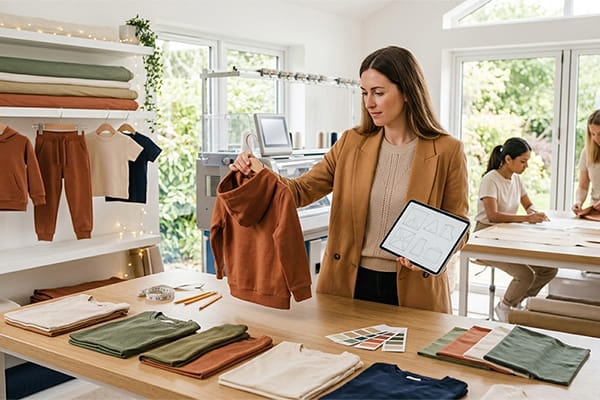
When I speak with start-up kidswear brands, I often notice the same question behind every email: “How do I know this supplier is truly reliable?” The answer is not one document or one fabric. It is a full sourcing process that checks both sustainability claims and real production performance.
What Should Eco-Friendly Children's Clothing Companies Be Able to Prove?
Choosing eco-friendly children's clothing companies can feel confusing because many suppliers use the same language. The risk grows when a brand relies only on website claims, product photos, or a short supplier profile. I always suggest treating “eco-friendly” as something that must be checked, not assumed.
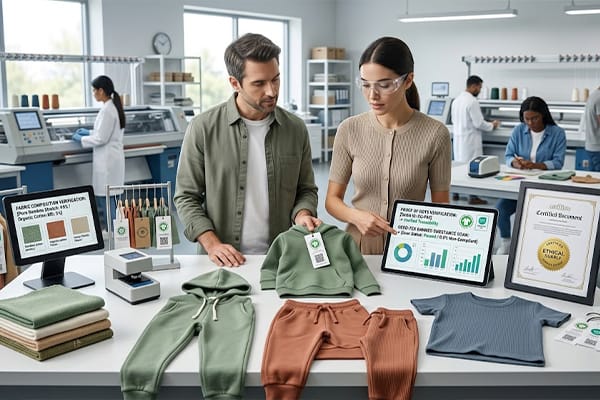
A reliable eco-friendly children’s clothing partner should prove three things: material credibility, production discipline, and garment performance. Buyers should ask for fabric composition, certification or testing references, dyeing and printing details, shrinkage expectations, color fastness information, and a clear explanation of how samples become bulk orders.
“Eco-Friendly” Is a Verification Process
In real sourcing conversations, I see buyers focus first on the fiber name. They ask for organic cotton, bamboo, hemp, linen, or lyocell. That is a good start, but it is not enough.
A sustainable fiber can still become a poor product if the fabric is unstable, the dyeing process is not controlled, or the garment shrinks too much after washing. Children’s clothing also has stricter practical needs than adult fashion. Kids sweat, run, fall, spill food, and wash garments often. A soft fabric on day one must still be wearable after many laundry cycles.
When I evaluate eco-friendly kidswear production, I look at questions like these:
- Can the supplier identify the fiber content clearly?
- Can the supplier provide available certificates or testing records?
- Can the fabric source be explained without vague promises?
- Can the supplier discuss shrinkage, color fastness, and hand feel?
- Can the same quality be repeated during bulk production?
A responsible sourcing decision does not start with “Is this fabric sustainable?”
It starts with “Can this company prove what it is selling and produce it consistently?”
Useful Documents and Checks
The exact documents depend on the market, product type, and buyer requirements. However, serious eco-friendly children's clothing companies should be comfortable discussing documentation.
| Verification Area | What Buyers Can Ask For | Why It Matters |
|---|---|---|
| Fabric identity | Composition sheet, fabric swatch, supplier information | Confirms what the garment is actually made from |
| Organic claims | GOTS, OCS, or related references where applicable | Supports organic positioning |
| Chemical safety | OEKO-TEX Standard 100 or testing records | Helps reduce skin-contact risk |
| Children’s compliance | CPC-related support for the U.S. market where needed | Supports children’s apparel sales requirements |
| Factory responsibility | BSCI or similar audit references | Shows management and social compliance awareness |
| Fabric performance | Shrinkage, color fastness, pilling, seam strength checks | Protects fit, appearance, and durability |
I do not suggest that every start-up must request every document on day one. That can slow development. But I do believe every brand should know which claims matter most for its market. A brand selling organic baby basics needs different proof than a cool kidswear label making oversized graphic tees.
Marketing Language vs. Manufacturing Reality
I have seen buyers send inspiration from coolkids clothing, boutique streetwear, or minimalist organic brands. The mood board may look clear, but manufacturing still depends on measurable details.
For example, “soft organic tee” is not a technical instruction. A factory needs to know:
- Fabric weight, such as 180gsm, 220gsm, or 260gsm.
- Yarn and knit structure.
- Fit style, such as regular, boxy, oversized, or dropped shoulder.
- Dyeing method and color target.
- Print technique, such as water-based, digital, screen, puff, or embroidery.
- Wash expectations and shrinkage tolerance.
Good eco-friendly children's clothing companies help translate brand language into production language. That is where sourcing risk starts to decrease.
Why Should Eco-Friendly Children's Clothing Companies Match Fabric to Real Kids’ Use?
Many brands begin with a beautiful idea but forget the daily life of the child wearing the garment. That creates problems later. A fabric may sound sustainable, yet it may not suit active play, sensitive skin, repeated washing, or a specific silhouette.
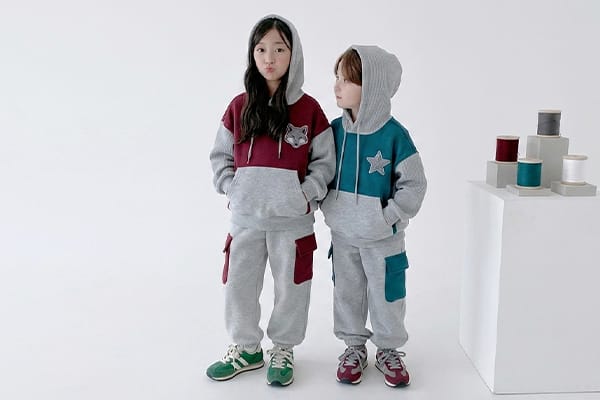
Eco-friendly children's clothing companies should match fabric choices to real wearing scenarios. Organic cotton, bamboo blends, hemp, linen, and lyocell all have strengths, but each behaves differently. The right fabric must balance comfort, breathability, durability, shrinkage control, print compatibility, and the garment’s intended use.
Fabric Names Are Only the Beginning
I like sustainable fabrics, but I never treat one fiber name as a magic answer. Organic cotton is popular for a reason. It is familiar, soft, breathable, and easy to use across T-shirts, sweatshirts, rompers, and everyday basics. However, organic cotton can still vary widely depending on yarn quality, knitting, finishing, dyeing, and fabric weight.
Bamboo fiber can feel smooth and breathable. Bamboo-cotton blends can offer softness and better structure. Hemp and linen can support natural brand stories, but they may feel textured and need careful design choices. Lyocell can drape nicely, but it may not suit every kidswear shape.
That is why I always ask about the product goal first. A brand making cool kids clothing with oversized silhouettes may need heavier cotton jersey or French terry. A babywear label may need soft interlock or rib with excellent stretch recovery. A summer collection may need breathable lightweight blends.
How Common Eco Fabrics Behave
| Fabric Type | Common Strengths | Possible Watch Points | Best Use Cases |
|---|---|---|---|
| Organic cotton jersey | Soft, breathable, familiar, print-friendly | Shrinkage must be controlled | T-shirts, rompers, basics |
| Organic cotton French terry | Comfortable, structured, premium hand feel | Heavier fabric increases cost | Sweatshirts, joggers, hoodies |
| Bamboo-cotton blend | Smooth, breathable, soft touch | Needs stability checks | Babywear, tees, loungewear |
| Hemp-cotton blend | Durable, natural texture, strong eco story | Hand feel may be rougher | Casual tops, pants, outer layers |
| Linen blend | Breathable, natural look | Wrinkles and shrinkage need attention | Summer shirts, dresses, sets |
| Lyocell blend | Soft drape, smooth feel | May need careful sewing control | Dresses, relaxed tops, soft pants |
Children’s Clothing Must Survive Real Life
A fabric must pass the “parent test.” Parents usually judge a garment by simple outcomes:
- Does it feel good on the child’s skin?
- Does it keep its shape after washing?
- Does the color fade too quickly?
- Does the print crack, peel, or feel too heavy?
- Does the child actually want to wear it?
I once worked through a sampling discussion where the buyer loved a very soft fabric but worried it might be too light for a streetwear-style tee. The sample looked beautiful, but the oversized shape did not hold well. We moved to a slightly heavier organic cotton jersey, and the garment immediately looked more premium. That small fabric change protected the brand’s aesthetic and reduced later complaints.
Key Performance Tests to Discuss
Eco-friendly children's clothing companies should understand basic garment performance. They do not need to overwhelm buyers with technical words, but they should know what affects quality.
Important checks include:
Shrinkage testing
Children’s clothing sizing is sensitive. Even small shrinkage can change fit.Color fastness testing
Rich earthy colors, bright kidswear tones, and garment-dyed looks need control.Seam strength testing
Kids pull, stretch, climb, and play. Weak seams create returns.Print durability checks
Graphic tees need prints that feel good and survive washing.Breathability and hand feel review
Comfort matters because children reject uncomfortable clothing quickly.
A good kidswear factory should not only make a nice sample. It should also help you understand how the material behaves after production, shipping, retail display, and repeated use.
Why Is Sample Approval Not Enough When Choosing Eco-Friendly Children's Clothing Companies?
Sample approval feels exciting. I understand that moment well because the first approved sample often makes a brand feel real. But sample approval can also create false confidence. A single sample does not prove that bulk production will match color, size, fabric performance, and finishing quality.
Eco-friendly children's clothing companies must control the transition from sample to bulk. Buyers should check whether the supplier manages fabric lot consistency, size grading, shrinkage, print placement, label accuracy, packaging, and final inspection. The approved sample should become a production standard, not just a nice prototype.
The Hidden Gap Between Sample and Bulk
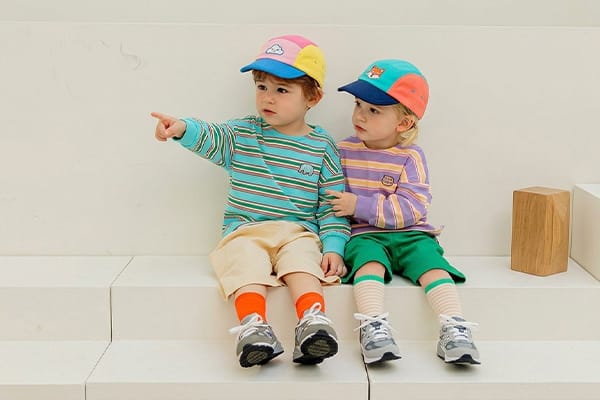
In children’s apparel manufacturing, the sample stage and the bulk stage are connected, but they are not identical. A sample may use available fabric, simplified trims, or temporary packaging. Bulk production needs confirmed materials, confirmed colors, approved artwork, production patterns, size grading, labels, and packing methods.
This gap matters more for sustainable kidswear because eco fabrics may have more variation depending on the yarn, dyeing, finishing, and supplier batch. If a buyer approves a sample without defining tolerances, bulk production becomes risky.
I often recommend that buyers treat the approved sample as a reference and then confirm the production details separately.
What Should Be Locked Before Bulk Production?
Before a bulk order starts, a buyer and supplier should confirm:
- Final fabric composition and weight
- Pantone color or lab dip approval
- Shrinkage expectations
- Size chart and grading
- Print artwork, placement, scale, and technique
- Embroidery or appliqué details
- Neck labels, care labels, hangtags, and packaging
- Inspection standard
- Shipping method and carton requirements
This process is not bureaucracy. It protects the brand.
For example, a start-up may approve a T-shirt sample with a temporary neck label, then later request custom woven labels, hangtags, and branded packaging. That is normal. But those details still need confirmation before bulk production. A reliable kids wear manufacturer will guide the buyer through that checklist instead of leaving details unclear.
Sample Approval vs. Bulk Production Control
| Stage | Main Goal | Common Risk | What a Reliable Supplier Does |
|---|---|---|---|
| First prototype | Confirm style direction | Fabric or trim may be temporary | Explains what is final and what is not |
| Fit sample | Confirm shape and measurements | Size spec may need adjustment | Revises pattern and records changes |
| Pre-production sample | Confirm final production standard | Small details may still be missed | Uses final fabric, print, labels, and finishing where possible |
| Bulk production | Repeat approved standard | Color, size, and print variation | Controls cutting, sewing, printing, and inspection |
| Final inspection | Protect shipment quality | Defects reach customer | Checks measurements, workmanship, labels, and packaging |
Why Quality Control Matters More for Eco Brands
Eco-conscious customers often care deeply about trust. If a brand claims responsible materials but delivers poor quality, customers may question the entire brand story. Quality problems can become brand-positioning problems.
A cheaper supplier can appear attractive at first. But hidden costs may appear later:
- Re-sampling costs
- Production delays
- Rework charges
- Higher defect rates
- Customer returns
- Damaged brand reviews
- Lost wholesale opportunities
For a modern kids wear factory, quality control should begin before cutting. Fabric inspection, shrinkage testing, color checking, print testing, inline inspection, needle detection, and final inspection all reduce risk. These steps are especially important for premium organic kids clothing, cool kidswear collections, and boutique private-label lines.
I do not believe buyers should choose the most expensive supplier blindly. But I do believe they should compare the total cost of reliability. A low unit price means little if the final product does not meet brand expectations.
How Can Brands Compare Eco-Friendly Children's Clothing Companies Without a Top-10 List?
A generic “top 10” list rarely helps serious sourcing. Many companies look good in a short description, but buyers need a decision framework. I prefer comparing suppliers by proof, communication, capability, flexibility, and production stability.
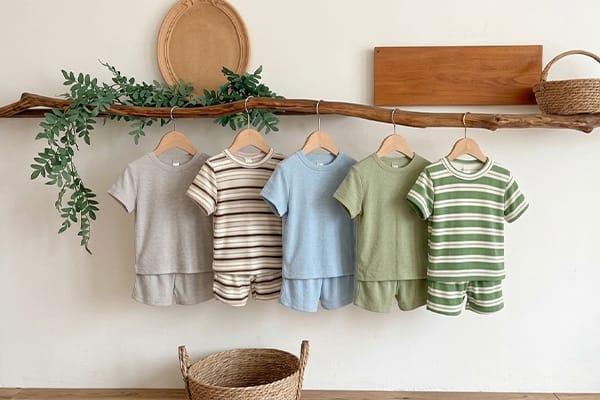
Brands can compare eco-friendly children's clothing companies by using a weighted scorecard. The strongest partner should provide credible material information, practical fabric guidance, sampling support, private-label customization, quality control, reasonable MOQs, and stable delivery. Price matters, but it should not be the only factor.
A Practical Supplier Scorecard
When I help buyers think through supplier selection, I suggest a simple scorecard. It turns vague feelings into a clearer decision.
| Evaluation Factor | Questions to Ask | Suggested Weight |
|---|---|---|
| Material credibility | Can they explain fabric origin, composition, and available documents? | 20% |
| Kidswear experience | Do they understand sizing, comfort, safety, and durability for children? | 15% |
| Sampling ability | Can they develop samples from tech packs, references, or inspiration? | 15% |
| Bulk control | Do they manage color, sizing, print, labels, and inspection well? | 20% |
| Customization | Can they support private labels, packaging, and brand details? | 10% |
| Communication | Do they answer clearly and honestly? | 10% |
| Price and MOQ | Are cost and minimums realistic for your stage? | 10% |
This type of comparison is useful because it shows trade-offs. One supplier may offer the lowest price but weak documentation. Another may offer excellent quality but higher MOQs. A third may support flexible development for start-ups but need more time for special fabrics.
Questions I Would Ask Before Choosing
Here are questions I would ask any potential eco-friendly kidswear supplier:
- Which sustainable fabrics do you commonly work with for children’s clothing?
- Can you provide fabric swatches before sampling?
- What certificates or testing records are available for this fabric or production route?
- What is your sample lead time?
- What is your usual bulk production lead time?
- What is your MOQ per style, color, or fabric?
- How do you control shrinkage and color fastness?
- Can you support custom labels, hangtags, and packaging?
- How do you inspect garments before shipment?
- What details must be confirmed before production begins?
These questions help buyers identify whether the supplier understands real production or only basic sales language.
Communication Is a Quality Signal
Good communication does not mean perfect English or fancy presentations. It means clear, specific, and practical answers.
A reliable supplier should be able to say:
- “This fabric is available, but the shrinkage needs testing.”
- “This print technique may feel heavy on babywear.”
- “This Pantone color needs lab dip approval before bulk.”
- “This MOQ is possible, but the fabric price will be higher.”
- “This sample uses temporary packaging; final packaging will be confirmed later.”
Those answers may sound less glamorous, but they are safer. They show that the supplier sees the real production risks.
I have seen brands search for a supplier that can make “cool kids clothing” with organic fabrics, oversized fits, puff prints, and private-label packaging. That combination is possible, but it requires clear planning. A supplier must understand both design and production. A basic factory may copy the shape but miss the hand feel, fabric weight, or brand finish.
Price Should Be Compared With Risk
Price is important. Every brand has margins. But sustainable kidswear is usually not the cheapest category to produce because better fabrics, testing, smaller production runs, and customized branding all add cost.
A fair comparison should include:
- Fabric quality
- Certification or testing support
- Sampling accuracy
- Print and embroidery quality
- MOQ flexibility
- Defect control
- Communication time saved
- Delivery reliability
- Brand reputation protection
In my experience, the lowest quote often has missing assumptions. It may exclude custom packaging, special printing, testing, fabric upgrading, or more careful inspection. Buyers should ask what is included before comparing unit prices.
A good kids wear factory or kidswear factory should make the cost structure transparent. That helps a brand decide whether to simplify the design, adjust the fabric, increase quantity, or protect a premium position.
Frequently Asked Questions
Are eco-friendly children’s clothing companies always more expensive?
Eco-friendly children’s clothing companies are often more expensive than basic mass-market suppliers, but the difference depends on fabric, MOQ, print technique, testing, and customization. Organic cotton, bamboo blends, special dyeing, and private-label packaging can raise costs. However, stable quality can reduce hidden costs from returns, delays, and rework.
Is organic cotton the best fabric for sustainable kidswear?
Organic cotton is a strong choice for many kidswear products because it is soft, breathable, familiar, and versatile. However, it is not the only option. Bamboo-cotton blends, hemp blends, linen blends, and lyocell may also work well when matched to the garment’s purpose, comfort needs, and washing expectations.
What MOQ should a start-up kidswear brand expect?
MOQ depends on the fabric, style, color, and customization level. Some children’s clothing manufacturers offer flexible minimums around 100 pieces per style, while custom dyeing, special fabric knitting, or complex printing may require higher quantities. Start-ups should ask whether MOQ applies per style, per color, or per size set.
How can I verify a supplier’s sustainability claims?
You can verify sustainability claims by asking for fabric composition details, available certifications, testing records, supply-chain explanations, and sample performance results. You should also ask practical questions about shrinkage, color fastness, dyeing, printing, and inspection. A credible supplier should explain both strengths and limitations clearly.
Can eco-friendly kidswear still have bold graphics and streetwear designs?
Yes, eco-friendly kidswear can include bold graphics, oversized silhouettes, puff prints, embroidery, and modern streetwear details. The key is matching the design with suitable fabric and safe, durable decoration techniques. Brands should test print hand feel, wash performance, and color stability before approving bulk production.
Conclusion
Eco-friendly children's clothing companies should be judged by proof, not promises. A strong partner can explain materials, support relevant documentation, guide fabric choices, manage sampling, and control bulk production quality. The best decision is not always the cheapest option. It is the option that protects comfort, durability, brand trust, and long-term production stability. If you are building an organic, sustainable, or cool kidswear collection, start by preparing your fabric goals, design references, and quality expectations—then contact a qualified manufacturing partner for a structured development discussion.