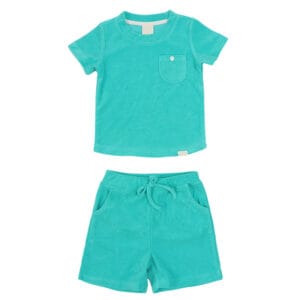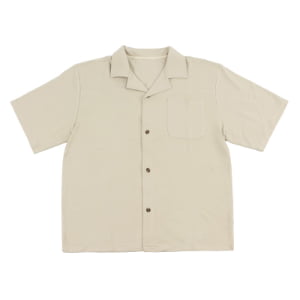
Eco-Friendly Children's Clothing?
Many brands want greener kidswear, but one wrong fabric choice can create rough hand feel, poor fit, weak color, and unhappy parents.
Eco-friendly children’s clothing is clothing made with lower-impact materials and responsible production choices, but I do not judge it by fabric name alone. I look at comfort, wash performance, shrinkage, color fastness, durability, certification claims, design style, and whether the garment can be sampled and produced well.
I have seen many start-up brands begin with a simple question: “Which fabric is eco-friendly?” I understand the question, but I usually guide the discussion in another direction. I ask what garment they want to make, how the child will wear it, how the brand wants it to look, and what performance the garment must keep after washing. This small change makes the development process clearer.
What Makes Eco-Friendly Children’s Clothing A Product Decision?
Many brands choose a natural fabric first, then discover later that the garment feels stiff, shrinks too much, or does not match the design mood.
Eco-friendly children’s clothing is a product decision because the fabric, fit, print, washing result, certification claim, and bulk production method must work together. I usually treat the material as one part of a full garment plan, not as the whole answer.
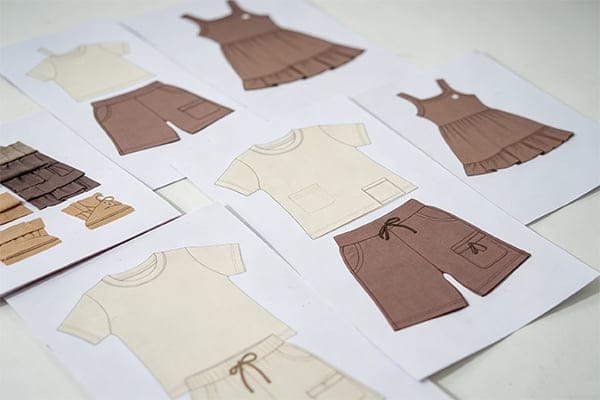
I often explain this to brands during sample development. A fabric can look responsible on paper, but it still has to work on a child’s body. Children move, sweat, crawl, run, spill food, and pull their clothes in daily life. Parents wash the same garment many times. A brand also needs the finished item to look close to the sample and stay close to the approved size.
I usually look at four basic questions before I suggest a fabric.
| Question I Ask | Why I Ask It |
|---|---|
| What garment are we making? | A T-shirt, hoodie, dress, romper, and pant need different fabric behavior. |
| What hand feel does the brand want? | Soft, dry, crisp, smooth, and heavy all create different customer feelings. |
| What design style does the brand need? | Oversized streetwear, organic basics, and boutique styles need different drape. |
| What production result is realistic? | Some fabrics need extra testing, washing, dye control, or sample adjustment. |
I do not like to sell “eco” as a simple label. I prefer to build a garment that parents can trust and children can wear often. That is where eco-friendly development becomes practical.
Which Eco-Friendly Fabric Works Best For Children’s Clothing?
A fabric name can sound perfect, but the wrong fabric can make a beautiful design feel uncomfortable or unstable after washing.
The best eco-friendly fabric depends on the garment type, target style, season, and performance needs. I usually compare organic cotton, bamboo fiber, hemp, linen, and lyocell by softness, shrinkage, drape, durability, print result, and fit stability.
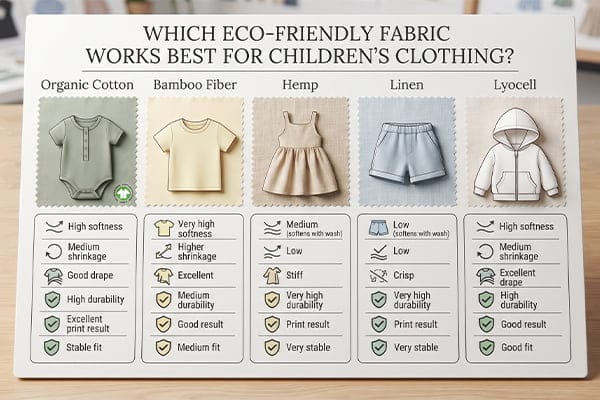
I do not believe one fabric is best for every children’s garment. Organic cotton is a common choice because it is familiar, soft, and easy to use in many kidswear styles. It can work well for T-shirts, sweatshirts, leggings, rompers, and daily essentials. Bamboo fiber can feel very smooth and soft, so many brands ask about it for babywear and comfort-focused pieces. It may need careful testing because softness, shrinkage, and fabric recovery can change by construction.
Hemp and linen can create a more natural texture. They can suit boutique styles, summer pieces, relaxed pants, and simple woven garments. They may feel less soft at first than cotton, so I usually suggest a sample review before a brand commits. Lyocell can offer nice drape and a clean surface. It can work for soft tops, dresses, and relaxed styles, but fabric construction still matters.
| Fabric Option | I Usually Consider It For | I Usually Check Carefully |
|---|---|---|
| Organic cotton | T-shirts, sweatshirts, basics, rompers | Shrinkage, hand feel, fabric weight |
| Bamboo blends | Babywear, soft tops, comfort items | Recovery, pilling, wash stability |
| Hemp blends | Boutique pieces, natural texture styles | Softness, dye result, garment feel |
| Linen blends | Summer shirts, dresses, relaxed pants | Wrinkle look, comfort, seam strength |
| Lyocell blends | Draped tops, dresses, premium basics | Color fastness, shrinkage, surface change |
I usually choose fabric with the garment in mind. This saves time and reduces expensive sample revisions.
What Should I Check Before Calling A Kidswear Garment Eco-Friendly?
A garment can use a better material, but it can still fail if it twists, fades, shrinks, or feels bad after washing.
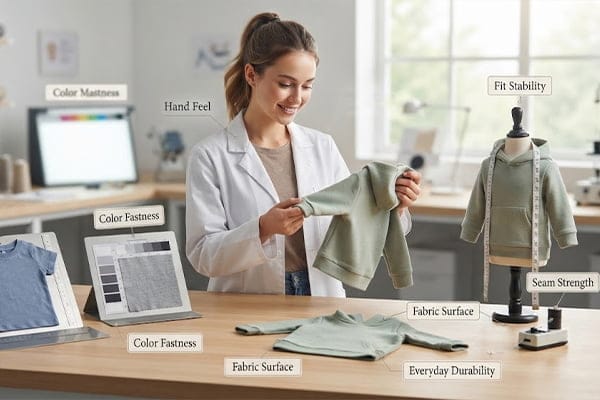
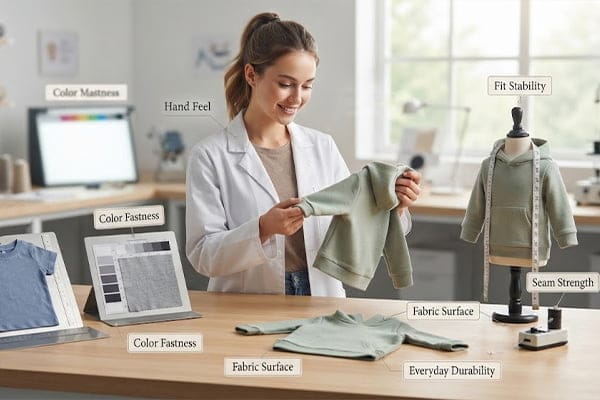
I usually check hand feel, shrinkage, color fastness, fit stability, seam strength, fabric surface, and everyday durability before I feel confident about an eco-friendly children’s garment. Eco claims matter, but children and parents judge the finished product during real use.
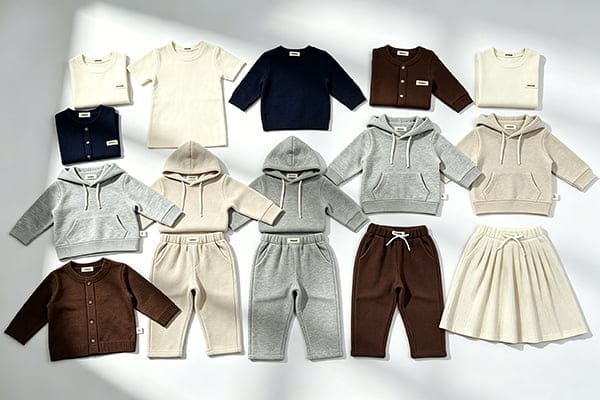
In sample development, I often touch the garment first. Hand feel gives the first signal. A fabric may be sustainable in concept, but if a child refuses to wear it, the product will not succeed. I also check how the fabric behaves after washing. Some fabrics shrink more in length. Some fabrics shrink more in width. Some fabrics twist after washing. These changes can damage the fit and make the size chart unreliable.
Color is another major point. Many brands want earthy tones, soft pastels, washed black, vintage brown, or bright graphic prints. These colors need testing. I usually check whether the color bleeds, fades, or changes after washing. I also pay attention to prints and embroidery. A water-based print, puff print, or digital print can look good on one fabric and less clear on another.
I use a simple working checklist.
| Performance Area | What I Look For |
|---|---|
| Hand feel | I check softness, skin comfort, and surface touch. |
| Shrinkage | I compare measurements before and after washing. |
| Color fastness | I check fading, bleeding, and rubbing risk. |
| Fit stability | I check if the garment keeps its shape. |
| Durability | I check seams, fabric strength, and daily wear points. |
I do not treat eco-friendly development as only a sourcing task. I treat it as a finished-garment performance task.
Do Certifications Guarantee A Good Eco-Friendly Kidswear Product?
Many brands feel safe when they see a certificate, but a certified material can still create a poor garment if development is weak.
Certifications can support trust and help brands make clearer claims, but they do not automatically guarantee comfort, appearance, shrinkage control, fit, or bulk production consistency. I usually treat certification as one useful proof point, not as the full quality answer.
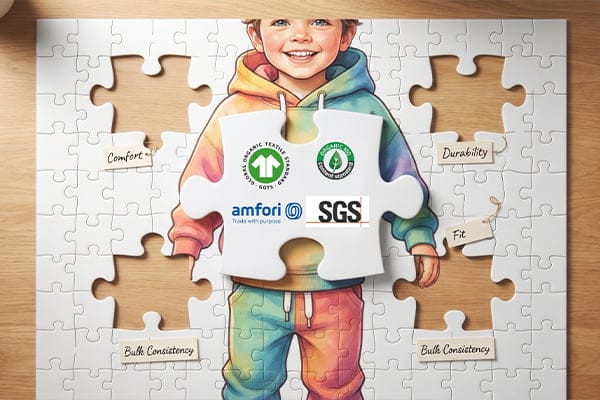
Many brands ask about GOTS, OEKO-TEX, OCS, and other standards. I understand why they ask. These marks can help brands speak to parents, retailers, and online customers. They can also help a brand show that it takes material sourcing seriously. Still, I always separate certification from product performance.
A certificate may support a fabric claim, but it does not tell me whether the T-shirt neck rib will recover well. It does not tell me whether an oversized hoodie will keep its shape. It does not tell me whether a printed graphic will crack too fast. It also does not tell me whether the approved sample will match bulk production if the fabric lot changes.
| Certification Role | What It Can Support | What I Still Need To Check |
|---|---|---|
| Material claim | I can use it to support sourcing trust. | I still test garment comfort. |
| Buyer confidence | I can share it with brand teams. | I still check size and fit. |
| Compliance discussion | I can use it as part of documentation. | I still verify final claims before use. |
| Brand positioning | I can help the brand communicate values. | I still review sample and bulk quality. |
I am not a certification body or legal authority. I always suggest that brands verify specific certification and compliance details before publication. I can help with material direction and sample review, but final claims must be accurate.
Can Eco-Friendly Children’s Clothing Still Look Modern?
Some brands worry that sustainable kidswear must look plain, basic, or too earthy for modern customers.
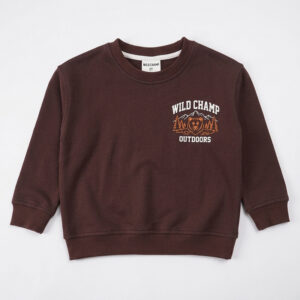
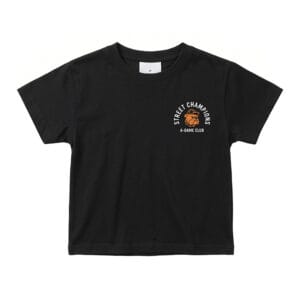
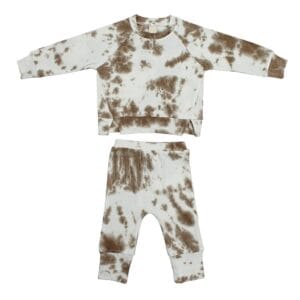
Eco-friendly children’s clothing can look modern when fabric, silhouette, graphics, trims, and color are developed together. I have seen sustainable materials work well in oversized T-shirts, streetwear-inspired sets, boutique basics, soft rompers, and graphic-heavy collections.
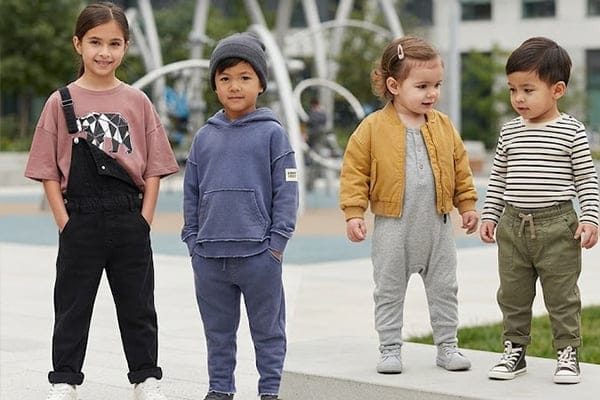
I do not think eco-friendly kidswear needs to look boring. Many modern children’s brands want strong visuals. They want oversized shapes, drop shoulders, boxy T-shirts, wide-leg pants, vintage colors, puff prints, appliqué, and clean private-label branding. These ideas can work with sustainable fabrics when the fabric choice supports the design.
For example, an oversized organic cotton T-shirt needs enough weight to hold the shape. If the fabric is too thin, the garment may look weak. A bamboo blend top may feel soft and smooth, but it may need structure if the brand wants a streetwear look. A linen blend can look premium and natural, but the brand must accept its crease character. A lyocell blend can drape well, so it may suit relaxed dresses or soft sets more than a stiff graphic silhouette.
| Design Goal | Fabric Direction I May Consider | Main Risk I Check |
|---|---|---|
| Oversized T-shirt | Heavier organic cotton jersey | Shape collapse after washing |
| Soft babywear | Organic cotton or bamboo blend | Recovery and pilling |
| Boutique summer style | Linen or hemp blend | Rough feel and wrinkles |
| Premium relaxed set | Lyocell blend or cotton blend | Color change and shrinkage |
| Graphic streetwear | Cotton jersey or fleece | Print clarity and wash life |
I usually tell brands that sustainability and strong design can work together. The key is to test the idea as a full garment, not as a fabric swatch only.
How Should I Develop An Eco-Friendly Kidswear Sample?
A brand can save time if it turns a broad eco idea into a clear sample plan before production starts.
I usually start an eco-friendly kidswear sample with garment type, target fit, fabric direction, color, artwork, trims, and performance checks. A clear sample plan helps the brand test comfort, design, shrinkage, print result, and production feasibility before bulk production.
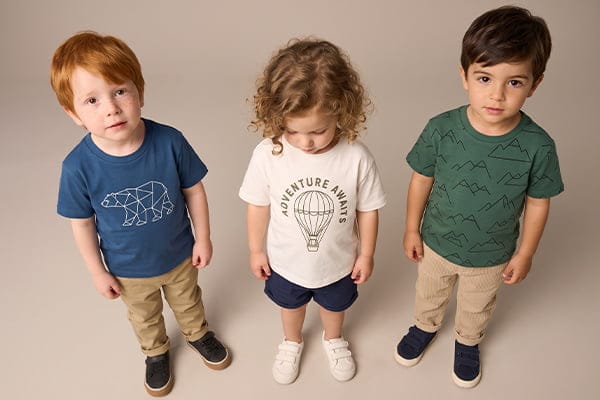
When I work on a new sample, I like to begin with the end use. I ask if the product is for babies, toddlers, older kids, or a full size range. I ask if the piece is for summer, winter, school, home, or brand campaign photos. I also ask about the target price level, because fabric choice and construction must fit the market.
After that, I help the brand narrow the fabric direction. I do not push too many options at once. Too many options slow decisions. I prefer two or three suitable fabrics that match the garment. Then I review color, dye method, printing method, labels, and packaging. In early prototypes, I often keep packaging and some trims simple. I focus more on fabric, fit, and garment look. Final labels and packaging can be confirmed before bulk production.
| Sample Step | What I Usually Confirm |
|---|---|
| Style direction | I confirm the garment type and design mood. |
| Fabric choice | I select practical eco fabric options. |
| Fit target | I check measurements and wearing shape. |
| Color and artwork | I confirm Pantone direction and print file needs. |
| Performance review | I check washing, shrinkage, color, and hand feel. |
| Bulk readiness | I review MOQ, lead time, trims, and production risk. |
I see sampling as the safest place to make changes. A sample can show problems before the brand spends money on bulk production.
What Should Brands Avoid When Building An Eco-Friendly Collection?
A brand can lose money when it builds a collection around claims before it checks comfort, fit, and production reality.
I usually tell brands to avoid vague eco claims, unsuitable fabrics, untested prints, weak size control, and overcomplicated first collections. A focused eco-friendly launch with tested fabrics and clear product standards is often stronger than a large collection with too many risks.
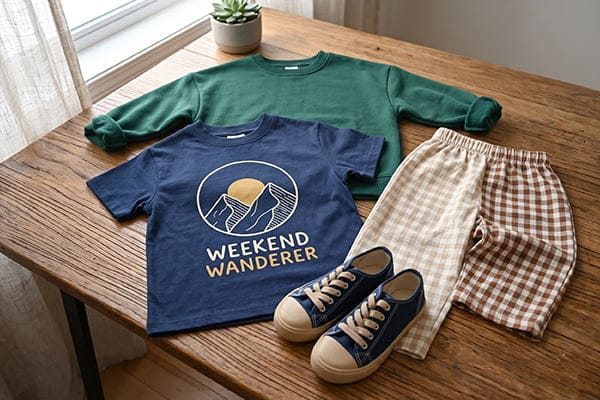
I have seen brands get excited and plan too many styles at once. The idea may look good on a mood board, but the sample process becomes heavy. A new brand may want organic cotton T-shirts, bamboo rompers, linen pants, hemp jackets, printed hoodies, dresses, and accessories in one launch. That can work for an experienced team, but it can create pressure for a new team.
I usually suggest that brands start with a small group of strong styles. A brand can use one or two core fabrics and build a clear look. This makes sample review easier. It also helps the brand control color, size, trims, labels, and photography. A focused first collection can still feel premium if the design language is clear.
| Common Mistake | What I Prefer To Do |
|---|---|
| I choose fabric only by name. | I choose fabric by garment use. |
| I rely only on certification. | I check both documents and garment performance. |
| I launch too many styles. | I build a focused sample range. |
| I skip wash testing. | I review shrinkage and color change. |
| I force one fabric into every design. | I match each fabric to each style. |
I believe eco-friendly kidswear works best when the brand keeps the promise simple and the product quality strong.
Conclusion
I see eco-friendly children’s clothing as a balance of material, comfort, durability, design, certification, and production reality, not just a fabric label.