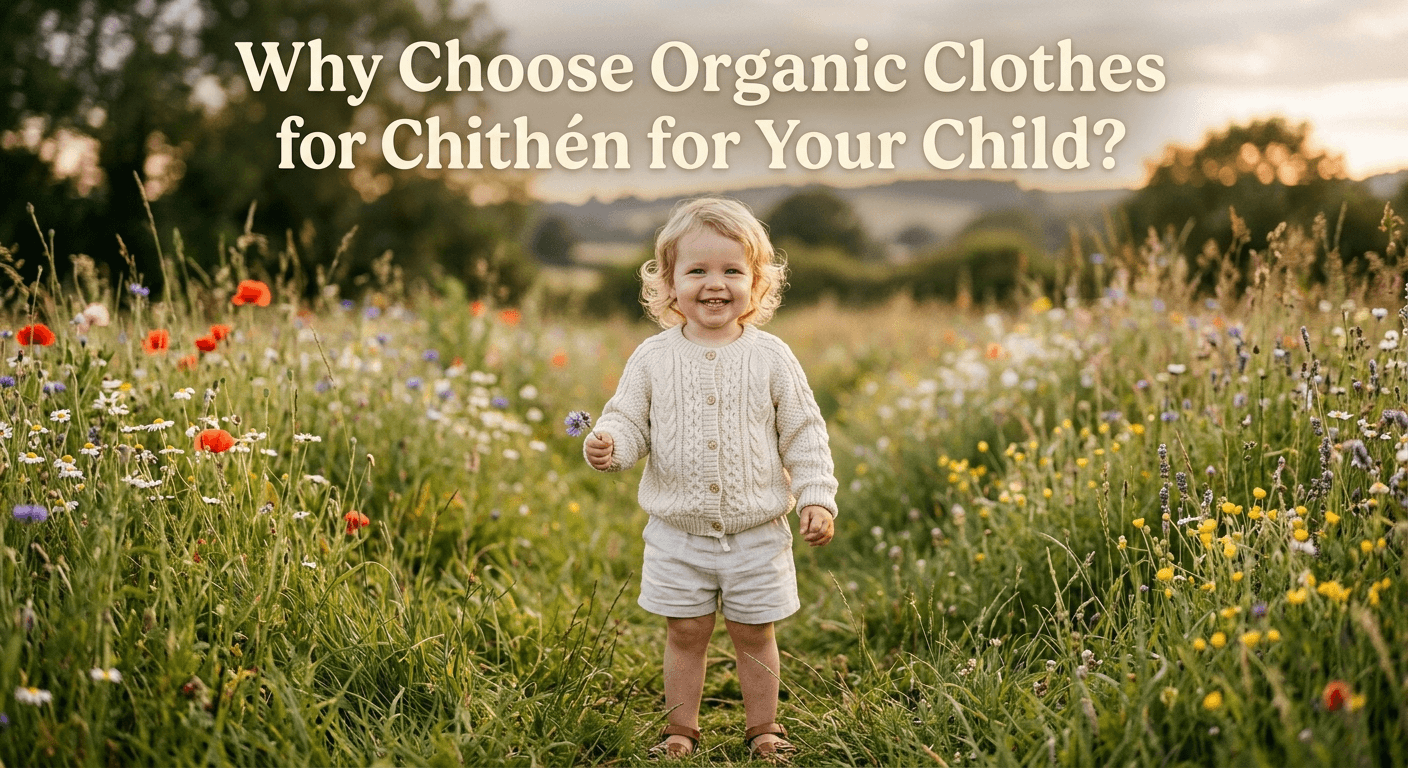
Reasons to Choose Organic Clothes for Your Child?
Organic clothes can look like a simple label choice, but for a kidswear brand, the wrong fabric can create poor handfeel, unstable sizing, weak prints, and confused customer trust. Parents notice these issues quickly. The better solution is to treat organic clothing as a full product development system, not just a fabric claim.
Brands should choose organic clothes for children when the fabric, dyeing, printing, trims, fit, and quality control all support the same promise: comfort, responsibility, and reliable daily wear. Organic materials can strengthen brand trust, but only when they are matched to the child’s wearing scenario and verified through sampling, testing, and production checks.
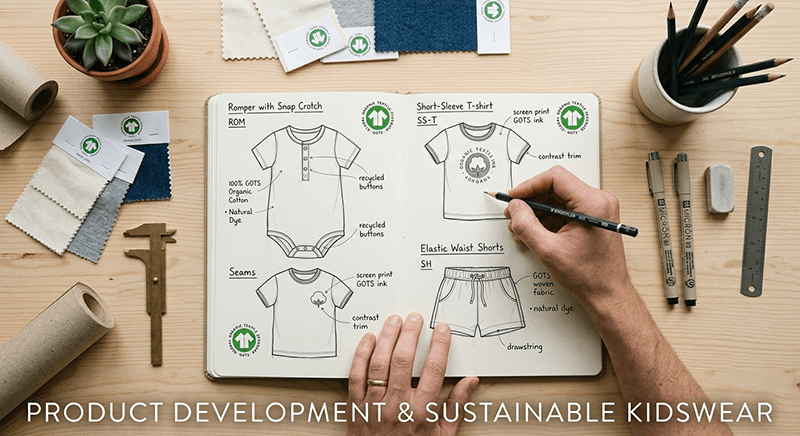
Many brands ask me whether organic fabric is “worth it.” My answer is usually: yes, if the whole garment is developed correctly. Below, I will explain the real reasons to choose organic clothes and the production details that make them credible in the market.
Why Should Brands Choose Organic Clothes for Child Comfort and Trust?
Many kidswear brands want to offer something better, but the market is crowded with vague “natural” and “eco” claims. If the garment feels rough, shrinks badly, or loses color, parents will not trust the promise. Organic clothes must connect comfort with visible quality.
Organic clothes help brands build parent-facing trust when the fabric is selected for the right age group, season, garment type, and wearing scenario. The benefit is not only the fiber origin. The real value comes from controlled handfeel, stable fit, suitable breathability, safe construction choices, and clear verification paths such as GOTS, OCS, or OEKO-TEX where applicable.
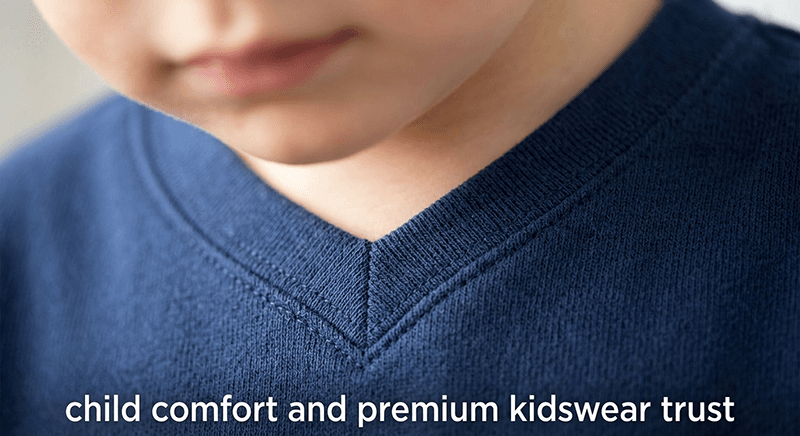
Organic is a product decision, not only a marketing word
From my experience working as a kidswear factory partner, I see many brands start with a good intention: “We want organic cotton.” That is a strong beginning, but it is not enough. A baby bodysuit, an oversized streetwear T-shirt, a fleece sweatshirt, and a summer romper all need different material logic.
For example, an organic cotton jersey may work well for a soft daily T-shirt. However, the same fabric may not hold the structure needed for a boxy kids retro fashion silhouette. A heavier organic cotton French terry may be better for a sweatshirt, but it may feel too warm for spring or summer collections.
When I review fabric options with brand owners, I usually ask these questions first:
- Who will wear it? Baby, toddler, preschool child, or older child?
- When will they wear it? Summer, winter, school, sleep, play, or special styling?
- What is the garment shape? Slim fit, oversized fit, relaxed fit, layered look, or retro style?
- What is the surface design? Plain dyed, screen print, digital print, puff print, embroidery, or appliqué?
- What does the brand promise? Minimal basics, premium boutique wear, coolkids clothing, or sustainable streetwear?
These questions matter because children’s clothing must handle movement, washing, stretching, and parent expectations. A fabric can be organic but still unsuitable for a certain style if the weight, stretch, or finishing is wrong.
Key development factors behind comfort and trust
| Product Factor | Why It Matters for Organic Kidswear | Common Risk If Ignored |
|---|---|---|
| Fabric weight | Affects drape, warmth, and durability | Garment feels too thin or too stiff |
| Handfeel | Affects parent perception and child comfort | Product feels less premium than expected |
| Knit or weave structure | Affects stretch, recovery, and shape | Necklines deform or hems twist |
| Dyeing method | Affects color consistency and color fastness | Shade differences across sizes |
| Printing method | Affects surface feel and wash performance | Prints crack, peel, or feel heavy |
| Shrinkage control | Affects final fit after washing | Size complaints and returns |
| Sewing quality | Affects durability and comfort | Weak seams or rough internal finish |
I do not treat organic clothes as automatically softer, safer, or more durable. That would be too simple. I treat them as a better starting point when the whole garment system is controlled. The brand gets more credibility because the product story, material choice, and final performance support each other.
For brands positioned in the mid-to-high-end children’s market, this connection is important. Parents may buy the first item because of the organic label. They reorder because the clothing looks good, washes well, and feels dependable.
How Do Organic Clothes Perform in Real Kidswear Development?
A brand may choose a beautiful organic fabric and still face problems during sampling. The sample may shrink, twist, lose shape, or fail to match the design mood. These issues become expensive when they appear after bulk production. Performance has to be checked before scaling.
Organic clothes perform well in kidswear development when the fabric composition, yarn quality, knitting or weaving structure, finishing, shrinkage, color fastness, and sewing method are tested together. The sample stage is where brands should verify handfeel, fit, wash behavior, print effect, and construction stability before approving bulk production.
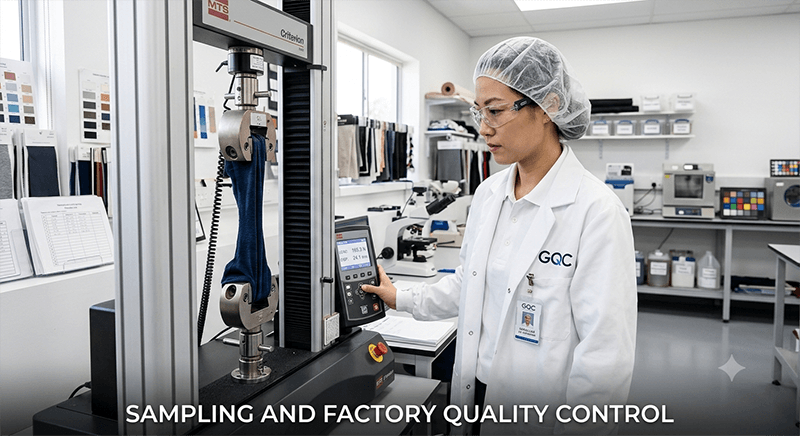
Sampling reveals the truth behind the fabric
In our factory, sampling usually tells us more than a fabric swatch ever can. A small swatch may feel soft in the hand, but a finished garment shows the real behavior. The neckline may stretch. The side seam may twist. A puff print may change the drape. A garment wash may improve handfeel but increase shrinkage.
I have seen brands fall in love with a fabric at first touch, then change their decision after the first prototype. That is not a failure. That is exactly why sampling exists.
For organic clothes, I usually suggest brands review these points during sample development:
-
Fit after sewing
The garment should match the intended silhouette, especially for oversized streetwear shapes. -
Fit after washing
The brand should review shrinkage after wash, not only the fresh sample. -
Surface feel after printing
A large print can reduce breathability or make the front panel feel stiff. -
Color appearance under real light
Organic fabrics can take dye differently depending on fiber and finishing. -
Internal comfort
Neck seams, labels, cuffs, and waistbands must feel suitable for children. -
Durability points
Crotch seams, shoulder seams, pocket openings, snaps, and hems need extra attention.
Common organic fabric options for children’s apparel
| Fabric Type | Common Use | Strength | Watch Point |
|---|---|---|---|
| Organic cotton jersey | T-shirts, bodysuits, tops | Soft handfeel and daily comfort | Shrinkage and twisting control |
| Organic cotton rib | Leggings, cuffs, babywear | Stretch and recovery | Recovery after repeated wear |
| Organic cotton French terry | Sweatshirts, joggers | Premium weight and casual structure | Bulkiness and drying time |
| Organic cotton fleece | Hoodies, winter sets | Warmth and cozy surface | Pilling and lint control |
| Bamboo-cotton blend | Soft tops, loungewear | Smooth touch and drape | Stability and print compatibility |
| Hemp-cotton blend | Retro or textured looks | Natural texture and strength | Handfeel may need soft finishing |
| Linen-cotton blend | Summer woven items | Breathable visual texture | Wrinkle behavior and seam slippage |
Printing and finishing can change performance
Many brand owners focus heavily on fabric composition, but printing often changes the final experience. A T-shirt made from organic cotton can still feel uncomfortable if the print is too thick or the finishing is poor.
For example:
- Water-based printing can create a softer surface, but color strength depends on artwork and fabric.
- Screen printing works well for bold graphics, but ink handfeel must be controlled.
- Digital printing supports detailed artwork, but color accuracy must be reviewed.
- Puff printing gives a modern streetwear effect, but it adds thickness and texture.
- Embroidery feels premium, but heavy embroidery may pull lightweight fabrics.
This is especially important for brands building coolkids clothing or kids retro fashion collections. The design may need bold graphics, washed colors, oversized shapes, or vintage-inspired artwork. Organic clothes can support this style, but the fabric and decoration method must be developed together.
What I check before recommending bulk production
As a kids clothing factory, I do not like approving bulk production based only on appearance. I prefer a practical checklist:
- Fabric shrinkage review
- Color fastness concerns
- Fabric defect inspection
- Seam strength checking
- Size measurement after sewing
- Print placement and print handfeel
- Neckline and cuff recovery
- Needle detection where required
- Final appearance after pressing and packing
These checks do not make every risk disappear. However, they reduce avoidable problems. They also help brands make stronger claims because the finished garment has been reviewed as a complete product, not only as an organic fabric.
What Details Can Weaken an Organic Clothing Promise?
Some brands invest in organic main fabric but forget the smaller parts of the garment. Then the final product sends mixed signals. A rough label, plastic-heavy packaging, poor dyeing, or low-quality print can weaken the customer’s belief in the organic story.
An organic clothing promise becomes weaker when trims, labels, prints, dyes, packaging, and quality control do not match the main fabric claim. Brands should review every visible and touchable detail, including care labels, hangtags, neck labels, elastic, buttons, snaps, thread, packaging, and certification communication.
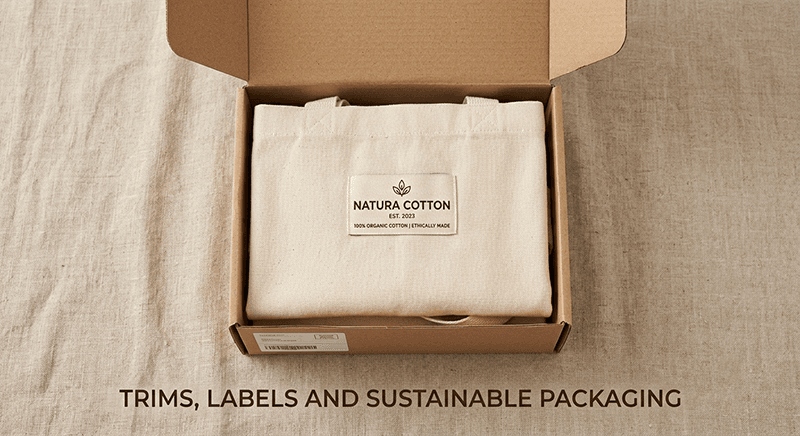
The main fabric is only one part of the garment
A finished children’s garment is a system. The main fabric may be organic cotton, but the product also includes sewing thread, labels, neck tape, elastic, drawcords, buttons, snaps, prints, embroidery backing, hangtags, polybags, cartons, and sometimes patches or appliqué.
I often remind new brands that parents do not experience the garment as a fabric composition sheet. They experience the full product. They touch the label. They wash the print. They see the packaging. They check whether the neck seam bothers the child. They judge whether the garment still looks good after several washes.
This is why organic clothes need consistent development choices.
Details that should match the organic positioning
| Detail | Better Development Direction | Risk If Ignored |
|---|---|---|
| Neck label | Printed label or soft woven label | Scratchy label reduces comfort |
| Care label | Soft material and clear instructions | Parent confusion or discomfort |
| Thread | Suitable strength and color match | Seam breakage or poor appearance |
| Elastic | Good recovery and comfort | Waistband feels tight or deforms |
| Snaps/buttons | Child-appropriate quality | Safety and durability concerns |
| Packaging | Brand-consistent and practical | Sustainable story feels inconsistent |
| Hangtags | Clear claim wording | Overclaiming or vague marketing |
| Print ink | Suitable for children’s wear | Heavy handfeel or wash issues |
Be careful with claims and certifications
Certifications can help brands communicate credibility, but they should be handled carefully. GOTS, OEKO-TEX Standard 100, OCS, CPC, and BSCI may all be relevant in different ways. However, they do not mean the same thing.
Here is a simple way to think about them:
- GOTS may be relevant for organic textile processing and chain-of-custody requirements.
- OCS may help verify organic content claims.
- OEKO-TEX Standard 100 may relate to testing for certain harmful substances.
- CPC is important for certain children’s product compliance needs in the U.S. market.
- BSCI relates more to social compliance in manufacturing.
A brand should not assume one document covers every product, claim, or sales market. The right verification path depends on the product, materials, trims, country of sale, and customer requirements.
I always suggest that brands confirm claim wording early. It is easier to build the garment correctly from the start than to fix unsupported marketing language later.
Packaging and branding also matter
Private label development is where many brands can create a stronger organic story. However, the branding must feel honest and consistent.
For example, a premium organic kidswear brand may choose:
- Minimal hangtags with clear fiber content
- Soft neck labels or printed neck branding
- Recyclable or reduced packaging where suitable
- Clear washing instructions to protect garment life
- Neutral color palettes or low-impact visual direction
- Storytelling that explains material choices without exaggeration
As an OEM/ODM kidswear factory, we help brands connect these pieces before bulk production. The goal is not to make the product look “green” in a superficial way. The goal is to make the product feel coherent. When a customer opens the package, touches the garment, reads the label, and sees the construction, every detail should support the brand’s positioning.
How Can a Kidswear Brand Turn Organic Clothes Into Commercial Value?
Many brands want organic clothes because they believe parents will pay more. That can be true, but only if the product delivers visible value. If the fit is unstable or the design feels generic, the organic label alone will not protect the brand.
A kidswear brand can turn organic clothes into commercial value by combining verified material choices with strong design, stable sizing, quality construction, and clear brand storytelling. Organic garments should support premium pricing, repeat purchases, lower product risk, and long-term trust instead of acting as a simple marketing badge.
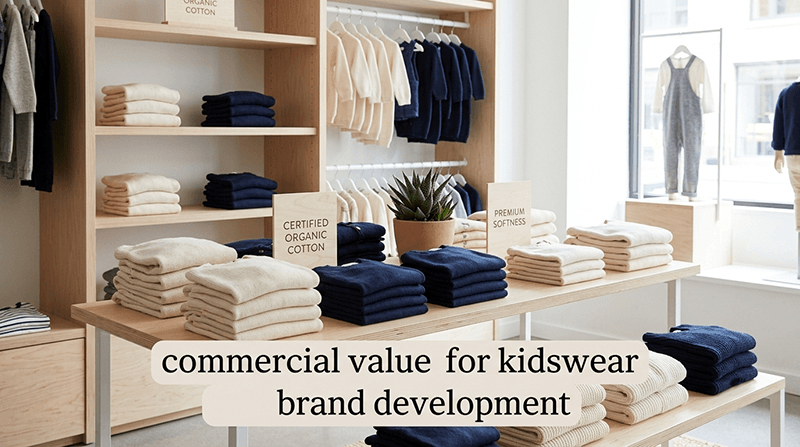
Parents buy trust, but brands must build it first
For children’s clothing brands, organic clothes can support a stronger business position. However, the brand still needs attractive design, practical comfort, and reliable quality. A plain organic T-shirt may not stand out if the fit, print, and color are ordinary. A well-developed organic oversized tee with a soft wash, strong graphic, and stable neckline can become a signature product.
This is where design and manufacturing must work together.
Brands can position organic kidswear in several ways:
-
Premium everyday essentials
Clean colors, soft fabrics, stable sizing, and simple branding. -
Modern kids streetwear
Oversized shapes, heavyweight jersey, graphic prints, and bold identity. -
Kids retro fashion
Washed tones, vintage artwork, textured fabrics, and relaxed fits. -
Organic baby basics
Soft handfeel, gentle seams, practical snaps, and easy care. -
Boutique seasonal collections
Coordinated colors, custom trims, and limited capsule drops.
Organic value depends on execution
Commercial value does not come from the word “organic” alone. It comes from how that word is supported by product experience.
A strong organic kidswear product usually has:
-
Clear design identity
The garment should look like it belongs to a real brand, not a blank catalog item. -
Right fabric selection
The fabric should match the product category, season, and price point. -
Stable fit system
The size chart should work across sizes, especially from toddler to older kids. -
Good wash performance
Parents expect children’s clothing to survive repeated washing. -
Consistent production quality
Bulk goods should match the approved sample as closely as possible. -
Credible claim support
The brand should keep records, certificates, and supplier documents where relevant.
How I guide brands during development
When a brand comes to us with an organic children’s clothing idea, I prefer to start with the product goal, not only the fabric list. I ask what the garment must achieve in the market.
For example:
| Brand Goal | Development Focus | Factory Support |
|---|---|---|
| Premium basics | Softness, shrinkage, color consistency | Fabric sourcing, sampling, wash review |
| Streetwear collection | Weight, structure, print effect | Pattern adjustment, print testing |
| Babywear line | Seam comfort, snap quality, easy care | Trim selection, fit checking |
| Boutique capsule | Color palette, custom trims, packaging | Pantone matching, private label setup |
| Retro-inspired range | Texture, wash effect, relaxed silhouette | Fabric trials, garment finishing |
This process helps reduce risk. It also helps brands avoid choosing materials that look good on paper but fail in the final garment.
As a manufacturing partner, I see organic clothes as a long-term brand asset. They can improve perceived responsibility, support premium positioning, and create a more thoughtful product experience. However, brands need a kidswear factory that understands fabric behavior, sampling, custom decoration, and final QC. Without that connection, the organic idea may not survive production reality.
Frequently Asked Questions
Are organic clothes always softer than regular children’s clothes?
No. Organic clothes are not automatically softer. Softness depends on yarn quality, fabric structure, finishing, washing, and garment construction. An organic cotton jersey can feel soft, but a poor finishing process or heavy print can still make the garment feel stiff.
What is the best organic fabric for kids’ T-shirts?
Organic cotton jersey is a common choice for kids’ T-shirts because it can offer a balanced handfeel, breathability, and print compatibility. However, the best option depends on fabric weight, fit, season, print method, and brand price position.
Can organic clothes support streetwear-inspired kidswear?
Yes. Organic clothes can work well for modern kids streetwear when the fabric has the right weight and structure. Heavy organic cotton jersey, French terry, and fleece can support oversized silhouettes, bold graphics, and premium casual looks.
What should brands check before producing organic kidswear in bulk?
Brands should check shrinkage, color fastness, fabric defects, print handfeel, seam strength, size measurements, label comfort, and final appearance after washing. The approved sample should become the standard for bulk production quality.
Do certifications guarantee every organic garment is sustainable?
No single certification guarantees everything. Certifications such as GOTS, OCS, OEKO-TEX, CPC, or BSCI may verify different parts of material, safety, compliance, or factory responsibility. Brands should confirm which documents apply to each product and market.
Conclusion
The best reasons to choose organic clothes for your child are not limited to the organic label. For a children’s brand, the real value comes from connecting fabric selection, dyeing, printing, trims, fit, comfort, and quality control into one credible garment system. Organic clothes can support trust, premium positioning, and long-term brand credibility when they are developed carefully. If you are planning an organic kidswear collection, contact Kids Wear Factory to discuss fabric options, sampling, and OEM/ODM production support.