Organic Cotton GSM for Kids T-Shirts: How Should Brands Choose the Right Fabric Weight?
Organic cotton GSM for kids T-shirts is one of the first questions buyers ask when developing a new children’s clothing line. The problem is that GSM can feel technical, and choosing wrong can lead to hot, flimsy, stiff, or poor-fitting garments. The solution is to match fabric weight with season, fit, age group, decoration, and brand positioning.
There is no single best organic cotton GSM for kids T-shirts. Most brands choose lighter weights for summer styles, mid-weight fabrics for everyday essentials, and heavier GSM for premium oversized or streetwear-inspired designs. The right choice depends on climate, age range, fabric structure, shrinkage, handfeel, printing method, and the final product positioning.
")
When a brand asks our factory what GSM is best, I usually ask about the season, target market, age group, fit, printing method, and desired handfeel first. GSM is useful, but it is only one part of the product-development decision.
What Does Organic Cotton GSM for Kids T-Shirts Actually Mean?
Many buyers start with GSM because it sounds like a simple quality number. The problem is that GSM alone does not explain softness, breathability, stretch, shrinkage, or durability. If a brand treats GSM as the whole story, it may choose a fabric that looks right on paper but feels wrong on a child.
Organic cotton GSM for kids T-shirts means the weight of the fabric in grams per square meter. A higher GSM fabric is usually thicker and heavier, while a lower GSM fabric is usually lighter and more breathable. However, GSM does not automatically define quality, comfort, or suitability for children’s wear.
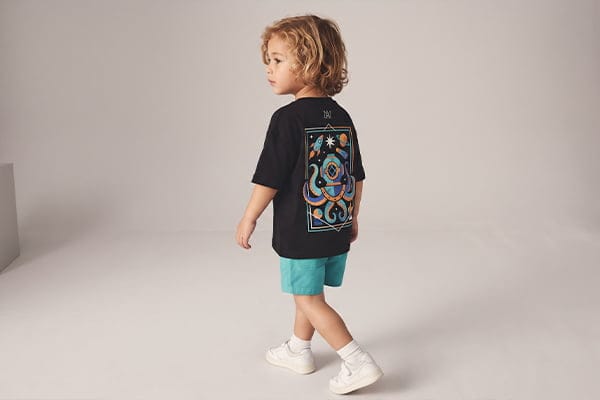
GSM Is Fabric Weight, Not Certification
I often remind buyers that organic cotton and GSM describe two different things.
| Term | What It Refers To | What Buyers Should Check |
|---|---|---|
| Organic cotton | Cotton source, farming standard, and certification claim | GOTS, OCS, transaction certificates, supplier documents |
| GSM | Fabric weight per square meter | Handfeel, thickness, drape, breathability, shrinkage |
| Fabric structure | How the fabric is knitted or made | Jersey, rib, interlock, fleece, pique |
| Garment performance | How the finished T-shirt behaves | Fit, comfort, print result, washing stability |
Organic cotton certification relates to the material source and compliance process. GSM relates to physical fabric weight. A 180 GSM organic cotton jersey and a 180 GSM conventional cotton jersey may feel similar in thickness, but their certification and sourcing background are different.
For a serious organic kidswear brand, I suggest asking an organic kids clothing manufacturer for supporting documents before bulk production. These may include fabric composition details, certification scope, and available transaction documents. Buyers should verify certifications carefully because the garment supply chain can include fiber, yarn, fabric, dyeing, printing, and sewing stages.
Why Children’s T-Shirts Need Different Thinking
Adult T-shirt logic does not always work for children. A heavy adult T-shirt may feel premium, but the same weight can feel too warm or stiff for a child. Children move more, sweat more during play, and often have stronger comfort reactions to fabric texture.
When I help buyers develop custom organic cotton T-shirts for kids, I usually consider:
- Age group: Baby, toddler, little kids, or older kids
- Season: Summer, spring/autumn, winter layering, or year-round
- Market climate: North America, Europe, Australia, Middle East, or tropical regions
- Fit: Slim, regular, relaxed, oversized, boxy, or streetwear-inspired
- Fabric structure: Single jersey, rib, interlock, or heavier knit
- Decoration: Screen print, digital print, puff print, embroidery, appliqué, or all-over print
- Brand level: Entry premium, boutique, designer-inspired, or streetwear positioning
A 160 GSM fabric can be excellent for a summer T-shirt if the construction, yarn, and finishing are suitable. A 240 GSM fabric can be excellent for an oversized tee, but it may not be ideal for a hot-weather toddler collection. This is why a qualified organic cotton kids T-shirt manufacturer should not answer only with one number.
What Organic Cotton GSM for Kids T-Shirts Works Best by Use Case?
Buyers often ask for one “safe” GSM because they want to avoid production risk. The concern is understandable. Fabric affects cost, comfort, printing, shrinkage, and brand perception. However, a safe choice still depends on the job the T-shirt needs to do.
As a practical reference, organic cotton GSM for kids T-shirts often ranges from about 150–180 GSM for lightweight summer styles, 180–220 GSM for everyday T-shirts, 220–260 GSM for premium mid-weight styles, and 240–280+ GSM for oversized or streetwear-inspired designs. These ranges are guidance, not universal rules.
Practical GSM Reference Table
The table below reflects common sourcing discussions I see as a kids T-shirt factory. It is not a laboratory rule. It is a starting point for sampling.
| Use Case | Common GSM Range | Typical Feel | Good For | Watch Out For |
|---|---|---|---|---|
| Lightweight summer kids’ T-shirts | 150–180 GSM | Light, breathable, soft | Hot climates, playwear, layering | Transparency, weak drape, print show-through |
| Everyday organic cotton T-shirts | 180–220 GSM | Balanced, comfortable | Core collections, boutique basics | Shrinkage control, color fastness, handfeel |
| Premium mid-weight kids’ T-shirts | 220–260 GSM | More structured, stronger drape | Higher-end basics, retail collections | Warmth, stiffness, cost |
| Oversized streetwear-inspired T-shirts | 240–280+ GSM | Heavy, structured, fashion-forward | Boxy silhouettes, drop shoulders | Child comfort, neckline stretch, drying time |
Lightweight Summer Styles
For summer children’s collections, lower GSM can be the right choice. I see many brands in warmer markets choose breathable organic cotton jersey because children need comfort more than visual thickness. A lightweight tee can also work well for active kids, daycare basics, and holiday collections.
However, brands should be careful with fabrics that are too light. If the fabric becomes semi-transparent after dyeing or washing, it can hurt the premium feeling of organic cotton children’s clothing. Light colors such as white, cream, pale pink, and oatmeal may show more transparency than darker shades.
Everyday Organic Cotton T-Shirts
For many brands, 180–220 GSM is a balanced range. It can support everyday wear while still feeling soft and wearable. This range often works for regular-fit kids’ T-shirts, boutique essentials, and private-label collections.
As a custom kids T-shirt manufacturer, I usually recommend this range when the buyer wants a product that feels stable but not heavy. It gives room for common printing methods, including water-based printing, digital printing, and screen printing, depending on artwork and fabric preparation.
Premium and Oversized Styles
For oversized or streetwear-inspired kidswear, brands often want a thicker fabric. A higher GSM can create a better boxy shape, stronger shoulder line, and more premium handfeel. This approach is popular for modern kidswear brands that want a mini streetwear look.
Still, I do not recommend choosing heavy GSM only because it sounds premium. Children’s comfort comes first. Heavy fabric can feel hot, especially for younger children. It can also affect neckline recovery, shoulder seam behavior, and drying time after washing.
A good GSM is not the highest number. A good GSM is the number that supports the design, comfort, production method, and customer expectation.
Why Is Higher Organic Cotton GSM for Kids T-Shirts Not Always Better?
Many buyers believe that heavier fabric means better quality. The problem is that this idea comes mostly from adult fashion and premium streetwear. In children’s apparel, too much fabric weight can create comfort issues, especially when kids wear the garment for school, play, travel, or warm weather.
Higher organic cotton GSM for kids T-shirts is not always better because children need comfort, movement, breathability, and softness. A heavier T-shirt may look premium, but it can feel hot, stiff, or restrictive. Quality should be judged by fabric construction, finishing, shrinkage, sewing, and suitability for the target use.
Comfort Matters More in Children’s Clothing
I have seen buyers request very heavy fabric because they want a luxury feel. Sometimes that choice works well for older kids, oversized fits, or autumn collections. But for toddlers or summer drops, the result can feel too bulky.
Children’s T-shirts should support movement. They need to handle running, sitting, climbing, and frequent washing. A fabric can be technically heavier and still be less suitable if it does not match the child’s daily activity.
When evaluating GSM, I suggest buyers ask:
- Will a child want to wear this all day?
- Will parents feel the fabric is comfortable after washing?
- Does the weight match the selling season?
- Does the fabric support the desired fit?
- Does the decoration method work on this surface?
Quality Includes More Than Weight
A good organic cotton kidswear supplier should help buyers compare more than GSM. The following factors can change how the same GSM feels:
| Factor | Why It Matters |
|---|---|
| Yarn count | Affects softness, density, and smoothness |
| Knitting structure | Changes stretch, thickness, and drape |
| Fabric finishing | Influences handfeel, shrinkage, and surface appearance |
| Dyeing quality | Affects color consistency and color fastness |
| Shrinkage control | Helps maintain sizing after washing |
| Sewing quality | Affects durability and appearance |
| Print compatibility | Affects artwork clarity and wash performance |
For example, two fabrics may both be 200 GSM, but one can feel soft and breathable while the other feels coarse or compact. The difference may come from yarn, knitting tension, finishing, or supplier quality control.
Higher GSM Can Affect Cost and Production
Higher GSM usually means more fabric consumption by weight. This can increase fabric cost, shipping weight, and sometimes production handling complexity. For a children’s clothing OEM factory, the cost impact matters because buyers often need to balance retail price, margin, and quality positioning.
Heavier fabric may also influence:
- Cutting stability
- Needle choice
- Seam thickness
- Neck rib matching
- Print curing
- Embroidery backing
- Packaging volume
- International freight cost
This does not mean heavy GSM is bad. It means the buyer should choose it for the right reason. If the brand position is premium streetwear, heavier organic cotton may support the design. If the product is a summer everyday tee, a lighter fabric may be more appropriate.
What Happens If Organic Cotton GSM for Kids T-Shirts Is Too Light?
Some buyers choose low GSM to reduce cost or create a soft summer product. This can work, but it needs control. If the fabric is too light for the design, the finished T-shirt may look less premium, lose shape faster, or fail to support the decoration.
If organic cotton GSM for kids T-shirts is too light, the garment may become transparent, clingy, weak in drape, or less stable after washing. Low GSM can be suitable for hot weather, but buyers should confirm opacity, shrinkage, handfeel, print result, and brand positioning through samples before bulk production.
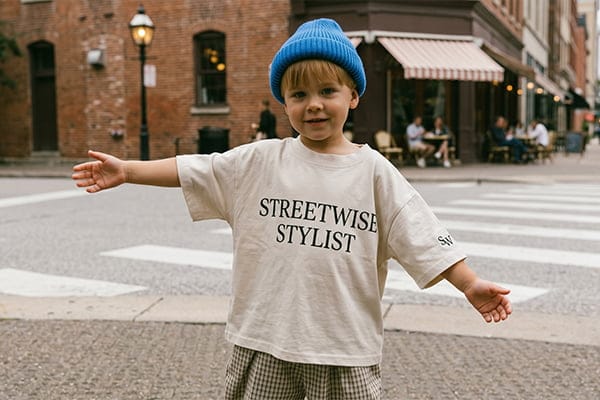
Common Problems With Very Light Fabric
A light organic cotton jersey can feel soft and breathable. I like it for certain summer ranges. Still, buyers should understand the risks before confirming bulk production.
Common issues include:
- Transparency: Light colors may show skin tone or underlayers.
- Weak drape: The garment may look less structured in product photos.
- Print distortion: Thin fabric may not support heavy ink or puff effects well.
- Curling edges: Some lightweight jersey fabrics curl more during cutting and sewing.
- Poor premium perception: Parents may associate thin fabric with lower quality.
- Fit instability: The garment may twist or lose shape if fabric quality is weak.
These problems are not guaranteed. A well-made lightweight fabric can perform well. But the margin for error becomes smaller.
Decoration Method Makes a Big Difference
If a buyer wants large front graphics, puff printing, appliqué, or embroidery, I usually avoid very light fabric unless the style has been tested. Decoration adds stress to the fabric. A print that works on a 220 GSM jersey may not behave the same on 150 GSM fabric.
Here is a simple reference:
| Decoration Method | Lightweight Fabric Suitability | Notes |
|---|---|---|
| Small water-based print | Often suitable | Good for soft handfeel |
| Digital print | Often suitable | Fabric surface preparation matters |
| Large screen print | Depends | Heavy ink may affect drape |
| Puff print | Use caution | Needs testing for stability |
| Embroidery | Use caution | May need backing and enough fabric body |
| Appliqué | Usually better on mid-weight fabric | Adds weight and seam stress |
| All-over print | Depends | Shrinkage and color consistency matter |
As a kidswear OEM manufacturer, I prefer to test decoration on the actual fabric before confirming the final GSM. A buyer may love the fabric swatch, but the finished printed sample tells the real story.
Brand Positioning Also Matters
Organic kidswear brands often sell more than a basic T-shirt. They sell comfort, trust, visual identity, and a responsible material story. If the fabric feels too thin, the product may not match the brand promise.
For a boutique organic line, a slightly higher GSM may support a more premium handfeel. For a hot-weather basics line, a lighter GSM may be correct. The key is to define the customer expectation first.
I sometimes ask buyers a simple question: “When a parent touches this T-shirt, what should they feel?” The answer may be soft and breathable, thick and premium, smooth and clean, or structured and fashion-forward. That answer helps guide GSM more effectively than price alone.
How Should Buyers Choose Organic Cotton GSM for Kids T-Shirts Before Sampling?
Sampling becomes slower and more expensive when the buyer only says, “Please recommend a good GSM.” The supplier then has to guess the market, season, fit, and decoration needs. Clear information helps an organic children’s clothing factory recommend a better fabric from the beginning.
Buyers should choose organic cotton GSM for kids T-shirts by sharing the target season, climate, age range, fit, fabric preference, handfeel, decoration method, quantity, and brand positioning before sampling. A factory can then recommend a practical GSM range and fabric structure for prototype development.
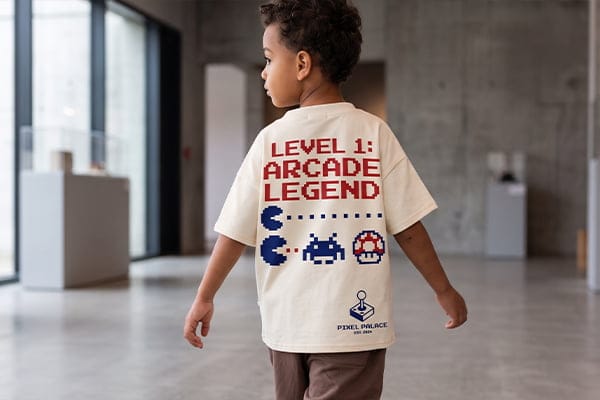
Information to Send Your Manufacturer
Before requesting a quote from a private label kids clothing manufacturer, I recommend preparing the following details:
| Information | Why It Helps |
|---|---|
| Target season | Guides light, mid, or heavy fabric choice |
| Target market | Climate and customer expectation differ by region |
| Age range | Toddlers and older kids may need different weight and fit |
| Fit style | Regular, oversized, boxy, or relaxed fit affects drape |
| Fabric preference | Organic cotton jersey, rib, interlock, or blend |
| Desired handfeel | Soft, structured, smooth, dry, brushed, or compact |
| Artwork method | Printing or embroidery affects fabric stability |
| Order quantity | Affects sourcing options and production planning |
| Price level | Helps balance GSM, finishing, and target cost |
| Certification needs | Helps verify organic material documentation |
When buyers send tech packs, original artwork, size charts, and Pantone references, the process becomes much smoother. If buyers only have inspiration images, we can still help, but the first sampling discussion may need more questions.
Sampling Is the Best Way to Confirm GSM
A fabric swatch is useful, but a finished sample is more reliable. The same fabric can feel different after cutting, sewing, washing, printing, and pressing. This is especially true for custom organic cotton T-shirts for kids because children’s sizing and proportions are smaller.
During sample review, I suggest checking:
- Body length after washing
- Chest width and shoulder shape
- Neckline recovery
- Sleeve opening comfort
- Print handfeel
- Garment weight
- Opacity under light
- Drape on a child-size form
- Color and surface consistency
- Overall brand feeling
At Kids Wear Factory, our standard sample lead time is typically 7–15 days, depending on fabric availability and design complexity. If the buyer uses available fabric for prototyping, sampling can often move faster. If custom dyeing, special organic fabric sourcing, or all-over printing is required, development may take longer.
Bulk Production Consistency Needs Planning
After a sample is approved, the chosen GSM must be controlled during bulk production. Fabric batches may have normal tolerances, and buyers should discuss acceptable ranges with the supplier. A responsible sustainable kidswear manufacturer should inspect raw materials and finished garments through defined QC steps.
In our production communication, GSM connects with several quality-control checks, such as:
- Fabric defect inspection
- Shrinkage testing
- Color fastness review
- Elasticity and breathability checks where applicable
- Seam strength inspection
- Garment durability verification
- Needle detection
- Final inspection before shipment
Buyers should not rely on GSM alone as a quality promise. They should evaluate the supplier’s sampling process, communication clarity, fabric sourcing ability, and inspection system. This is especially important when choosing an organic cotton kidswear supplier for long-term production.
How Can a Kids T-Shirt Factory Help Balance GSM, Cost, and Brand Positioning?
A buyer may know the ideal look but not the best technical path. The problem is that fabric weight affects many decisions at once. If the supplier only quotes the lowest price, the final garment may miss the brand’s comfort and quality goals.
A kids T-shirt factory can help balance GSM, cost, and brand positioning by comparing fabric options, testing samples, checking decoration compatibility, and advising whether lightweight, mid-weight, or heavy organic cotton best matches the season, fit, and target customer. This support is especially valuable for private-label and OEM/ODM development.
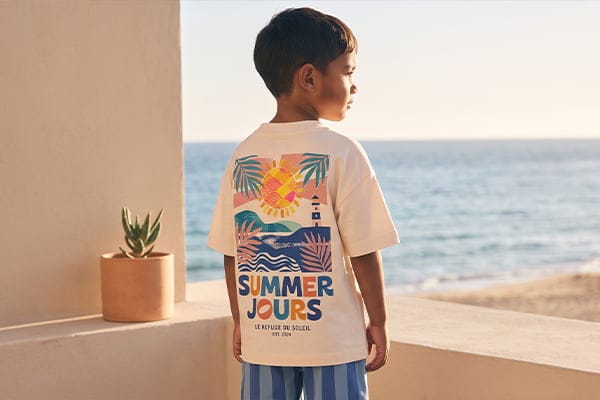
How We Usually Discuss GSM With Buyers
When a brand contacts us as an organic cotton kids T-shirt manufacturer, I try to understand the product first. I do not start by pushing the heaviest fabric or the cheapest fabric. I usually ask questions like:
- Is this style for summer, year-round, or autumn/winter?
- Is the fit regular, relaxed, oversized, or boxy?
- What age group will wear it?
- Will the artwork be printed, embroidered, or appliquéd?
- Does the brand want a soft basic feel or a structured premium feel?
- What market will the collection sell in?
- Does the buyer require organic certification documents for retail compliance?
These questions may feel detailed, but they save time. They also reduce the risk of making a beautiful sample that does not work for bulk production.
Example Decision Scenarios
Here are common scenarios I see in development discussions.
| Buyer Goal | Possible GSM Direction | Factory Comment |
|---|---|---|
| Summer organic basics for toddlers | 160–180 GSM | Prioritize breathability, softness, and opacity testing |
| Year-round boutique T-shirts | 180–220 GSM | Balanced option for comfort and quality perception |
| Premium graphic tees for older kids | 200–240 GSM | Check print clarity, surface smoothness, and shrinkage |
| Oversized streetwear kids’ tees | 240–280+ GSM | Good structure, but confirm comfort and weight |
| Embroidered logo T-shirts | 200–240+ GSM | Test embroidery stability and backing |
| All-over printed organic tees | Depends on fabric | Confirm shrinkage, print method, and color consistency |
These are not fixed rules. They are starting points for sample development. A good children’s clothing OEM factory should adjust the recommendation based on the real design.
Why Supplier Selection Matters
Choosing the right manufacturer is part of choosing the right GSM. A capable organic children’s clothing factory should understand fabric sourcing, pattern development, sewing quality, printing limitations, and export expectations.
When buyers evaluate a custom kids T-shirt manufacturer, I suggest reviewing:
- Experience with organic cotton children’s clothing
- Ability to source multiple fabric weights
- Understanding of children’s fit and comfort
- OEM/ODM development support
- Printing and embroidery coordination
- Private-label customization options
- Flexible MOQ policy
- Quality-control procedures
- Clear lead time communication
- Willingness to explain trade-offs
At Kids Wear Factory, we work with brands that care about quality, sustainability, and modern kidswear design. Our MOQ can start from 100 pieces per style, depending on the project, and bulk production is generally around 6–8 weeks after sample approval. These timelines can change with fabric sourcing, order volume, and garment complexity, so I always recommend confirming project details early.
Frequently Asked Questions
Is 180 GSM good for organic cotton kids’ T-shirts?
Yes, 180 GSM can be a good choice for many organic cotton kids’ T-shirts, especially for everyday wear and warmer seasons. Buyers should still check fabric structure, opacity, shrinkage, and handfeel. A well-made 180 GSM jersey can feel better than a poorly finished heavier fabric.
Is 240 GSM too heavy for children’s T-shirts?
240 GSM is not always too heavy, but it depends on the use case. It can work well for premium, oversized, or streetwear-inspired kids’ T-shirts. For toddlers, summer collections, or hot climates, it may feel too warm or stiff, so sampling is important.
Does organic cotton shrink more than regular cotton?
Organic cotton can shrink if the fabric is not properly controlled, but shrinkage depends on yarn, knitting, finishing, washing, and garment construction. Buyers should ask the manufacturer about shrinkage testing and should confirm measurements after sample washing before approving bulk production.
What GSM is best for printed kids’ T-shirts?
Many printed kids’ T-shirts work well in the 180–240 GSM range, depending on the print method and artwork size. Large screen prints, puff prints, embroidery, and appliqué may need more fabric stability. Buyers should test printing on the actual fabric before bulk production.
What should I send to an organic kids clothing manufacturer for a GSM recommendation?
You should send the target season, market, age range, fit, fabric preference, desired handfeel, decoration method, quantity, artwork files, and brand positioning. If you have a tech pack, size chart, or reference sample, the factory can recommend a more accurate GSM range.
Conclusion
Choosing organic cotton GSM for kids T-shirts is not about finding one perfect number. It is about matching fabric weight with season, age group, fit, handfeel, decoration, cost, and brand positioning. Higher GSM can feel premium, but it is not always better for children. Lower GSM can be breathable, but it needs careful testing. If you are developing custom organic cotton T-shirts for kids, contact our team with your season, age group, fit, artwork method, quantity, and target market. We can help recommend a suitable organic cotton fabric and GSM range for sampling.