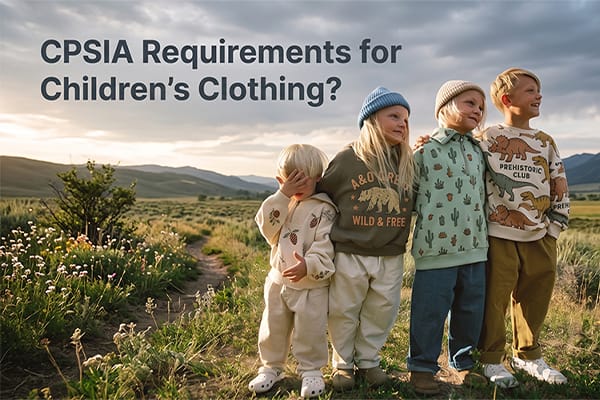
CPSIA Requirements for Children's Clothing?
CPSIA requirements for children's clothing can feel confusing when you are sourcing from overseas. You may worry that one missing label, wrong test, or unclear document could delay shipment or create risk. The practical solution is to treat CPSIA as a workflow that involves your brand, your testing lab, and your factory.
CPSIA requirements for children's clothing generally involve applicable safety rules, third-party testing, tracking labels, and a Children’s Product Certificate, often called a CPC. For buyers, the key question is not simply whether a factory “has CPSIA,” but whether the supplier can support testing coordination, product information, labeling details, and consistent production.
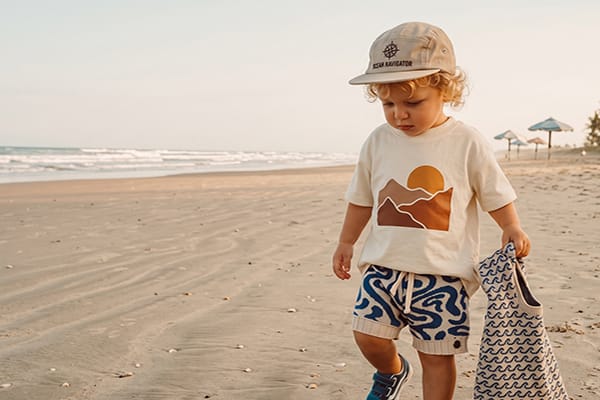
In my factory-side conversations with U.S. kidswear buyers, I often see the same pattern. Brands ask for “CPSIA certification,” but what they really need is a supplier that can cooperate clearly before sampling, before bulk production, and before shipment.
What Do CPSIA Requirements for Children's Clothing Mean for Buyers?
CPSIA requirements for children's clothing can become stressful when buyers only think about them after production starts. At that point, a missing trim detail, wrong print information, or unclear label placement can create delays. A better approach is to plan compliance questions during supplier evaluation.
CPSIA requirements for children's clothing usually relate to U.S. children’s product safety rules, lab testing, tracking information, and CPC documentation. Buyers should verify the exact requirements with official CPSC guidance, their compliance advisor, or an accredited testing lab because requirements depend on garment type, materials, components, and intended age group.
Think of CPSIA as a Process, Not a Factory Badge
When I speak with U.S. children’s clothing brands, I sometimes hear the question, “Do you have CPSIA?” I understand why buyers ask this. They want a simple yes or no answer before they choose a supplier. However, in children’s apparel manufacturing, that question is often too broad.
A more useful question is:
Can this factory support the compliance workflow required for my actual product?
That wording matters because a baby bodysuit, a printed kids’ T-shirt, a hoodie with drawstrings, and a dress with decorative buttons may raise different review points. A supplier cannot responsibly answer every compliance question with one generic certificate.
For U.S.-focused buyers, CPSIA planning may involve several areas:
- Product type: T-shirts, sweatshirts, pajamas, babywear, dresses, sets, or accessories.
- Age range: Infant, toddler, little kids, or older kids.
- Fabric composition: Cotton, organic cotton, bamboo blends, lyocell, fleece, rib, jersey, or woven fabric.
- Surface decoration: Screen print, digital print, puff print, water-based print, embroidery, appliqué, or all-over print.
- Trims and components: Snaps, buttons, zippers, drawcords, elastic, labels, patches, and packaging.
- Labeling: Tracking labels, care labels, size labels, fiber content, country of origin, and brand labels.
- Documentation: Test reports, product descriptions, bill of materials, factory details, production dates, and CPC inputs.
A Practical Buyer View
In procurement, I suggest buyers separate the discussion into three layers:
| Layer | What Buyers Should Ask | Why It Matters |
|---|---|---|
| Product safety rules | Which rules may apply to this garment? | The product design and age group affect testing needs. |
| Documentation | Who will prepare and maintain the CPC? | The responsible party is usually the brand/importer, not the factory. |
| Factory cooperation | Can the supplier provide accurate product and production information? | Testing and documentation depend on reliable factory inputs. |
This approach is more practical than asking for a generic promise. It also helps buyers compare suppliers more fairly.
At Kids Wear Factory, we are not a legal consultant or testing laboratory. Our role is production-side support. We help buyers coordinate product details, material information, print details, label discussions, and shipment communication when their U.S. compliance process requires those inputs. Buyers should still confirm final requirements with their compliance advisor, testing lab, and official CPSC sources.
Who Is Responsible for CPSIA Testing, CPC Documentation, and Factory Inputs?
Responsibility can become unclear when brands source from overseas. A buyer may expect the factory to “provide CPSIA,” while the factory may only understand production. This gap can create risk. The safer approach is to define each party’s role before sampling and bulk production.
For children’s clothing sold in the United States, the brand, importer, or responsible party typically ensures compliance and issues or maintains required CPC documentation. Third-party labs perform applicable tests. The factory supports the process by providing accurate material, component, label, production, and shipment information.
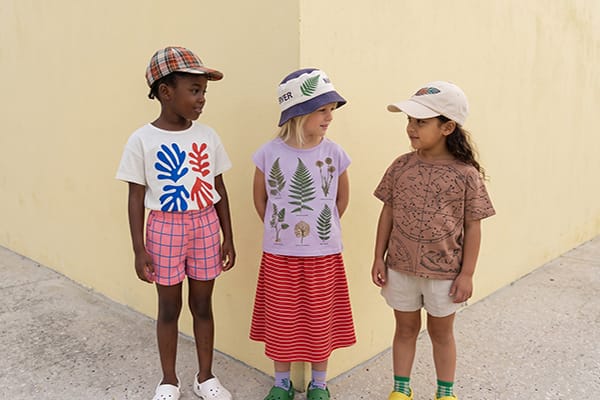
The Main Roles in the Compliance Workflow
I like to explain the CPSIA workflow as a triangle. Each side has a different responsibility. If one side is weak, the whole process becomes harder.
1. The Brand or Importer
The brand or importer is usually the party closest to the U.S. market. This party typically decides:
- Where the product will be sold.
- Which age group the product targets.
- Which safety and labeling rules apply.
- Which testing lab to use.
- Which documents to keep.
- How the CPC is issued and maintained.
Because I work from the manufacturing side, I always tell buyers to confirm these points with qualified professionals. A factory can support the process, but a factory should not replace the buyer’s compliance advisor.
2. The Testing Laboratory
A qualified third-party lab helps determine and perform applicable tests. Buyers should discuss the product type, components, and age range with the lab before finalizing test plans.
A lab may ask for:
- Finished garment samples.
- Fabric composition details.
- Print or dye information.
- Trim specifications.
- Size range.
- Production batch information.
- Factory name and address.
- Manufacturing date or period.
The exact test plan should be confirmed directly with the lab. I avoid telling buyers that one fixed test list applies to every garment because children’s clothing is not always that simple.
3. The Factory
The factory supports the compliance workflow by giving accurate production information. This is where supplier selection becomes important.
A capable children’s clothing factory should be able to discuss:
- Fabric sourcing records.
- Color and dyeing details.
- Printing method and ink type.
- Trims and accessories.
- Label placement and content requirements.
- Sample and bulk production consistency.
- Production dates and batch control.
- Packaging and shipment information.
Why the Factory Still Matters
Even if the brand issues the CPC and the lab performs testing, the factory still plays a critical role. Poor communication from the supplier can make the buyer’s compliance work difficult.
For example, if a children’s hoodie uses organic cotton fleece, puff print, drawcords, and custom woven labels, the buyer needs exact information for each element. If the supplier changes the drawcord, print technique, or fabric batch without clear approval, the buyer may need to review whether testing or documentation must be updated.
Here is a simple way to evaluate the workflow:
| Compliance Item | Brand / Importer | Testing Lab | Factory |
|---|---|---|---|
| Determines U.S. sale requirements | Yes | Supports | No |
| Performs applicable testing | No | Yes | No |
| Provides garment samples | Requests | Receives | Yes |
| Supplies material and component details | Reviews | May request | Yes |
| Issues or maintains CPC | Usually yes | No | Supports with inputs |
| Controls bulk production consistency | Monitors | No | Yes |
This division keeps expectations realistic. It also protects both sides. The buyer understands that the factory is not a certification body. The factory understands that accurate information is part of professional manufacturing support.
How Should Buyers Evaluate Supplier Support for CPSIA Requirements for Children's Clothing?
Supplier evaluation can become too price-focused. That is risky for U.S. children’s apparel buyers. A very low quote may look attractive, but if the factory cannot provide clear material, print, trim, and label information, the buyer may face testing delays and documentation confusion later.
Buyers should evaluate supplier support for CPSIA requirements for children's clothing by reviewing communication quality, material traceability, sample-to-bulk consistency, label coordination, testing cooperation, and document readiness. A good factory should not just say “we can do U.S. market.” It should explain how it supports the compliance workflow.
A Supplier Evaluation Checklist
When I help buyers develop custom kidswear, I pay close attention to questions that reveal how organized a supplier is. A factory does not need to act like a law firm. However, it should be able to answer production-related questions clearly.
Here is a practical checklist for buyers:
Can the supplier identify all materials and components?
The answer should include fabric, trims, prints, labels, packaging, and accessories.Can the supplier keep approved samples and bulk production consistent?
Changes in fabric, ink, trims, or labels should not happen casually.Can the supplier provide samples for third-party testing?
Buyers often need finished goods or component information for lab review.Can the supplier support tracking label discussions?
The factory should understand that production date, batch, factory identity, and related details may matter.Can the supplier communicate before shipment?
Shipment documents, carton marks, packaging, and final inspection details should be organized.Can the supplier handle revisions professionally?
Compliance-related changes may affect sampling time, production time, or cost.
Questions I Would Ask Before Placing an Order
A buyer does not need to ask everything in legal language. Clear sourcing questions often work better.
| Buyer Question | What a Strong Supplier Response Should Show |
|---|---|
| Can you provide full fabric and trim details? | The factory knows the garment components. |
| Can you keep the same materials from sample to bulk? | The factory controls substitutions. |
| Can you make samples for third-party lab testing? | The factory understands buyer testing needs. |
| Can you add buyer-required label information? | The factory can follow label instructions. |
| Can you share production batch and shipment details? | The factory has basic traceability control. |
| Can you coordinate if our lab requests more information? | The factory can support documentation inputs. |
Watch for Red Flags
Some supplier answers sound convenient but are too vague. I would be cautious if a factory says:
- “All our clothes are CPSIA certified” without asking about the product.
- “No testing is needed because the fabric is organic.”
- “We always use safe materials” but cannot provide composition details.
- “Labels are not important.”
- “We can change trims during production if needed.”
- “You do not need a lab.”
These answers do not automatically mean the supplier is dishonest. Sometimes the supplier may simply lack U.S. market experience. However, buyers should treat vague communication as a procurement risk.
Why This Matters for OEM/ODM Kidswear
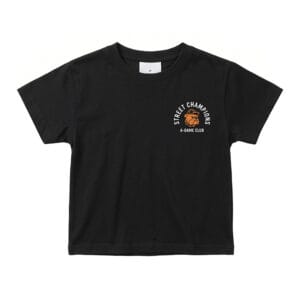
Custom children’s clothing has many moving parts. One streetwear-inspired kids’ T-shirt may include heavyweight organic cotton jersey, an oversized fit, a puff print graphic, a woven neck label, and custom packaging. A baby romper may include snaps, rib binding, embroidery, and size-specific measurements.
Each decision affects the compliance workflow. This is why I believe sourcing teams should choose a supplier that understands product development and compliance coordination together.
At Kids Wear Factory, we often support U.S. customers by organizing information around materials, print methods, labels, samples, and shipment discussions. We do not issue legal opinions. We do not replace third-party testing. However, we understand that modern kidswear brands need a manufacturing partner that can communicate clearly when compliance-related details come up.
Do Organic Fabrics Replace CPSIA Requirements for Children's Clothing?
Sustainable fabrics can create a false sense of security. A brand may choose organic cotton, bamboo fiber, or OEKO-TEX materials and assume the U.S. compliance work is complete. That assumption can create problems because sustainability claims and children’s product compliance are not the same thing.
Organic cotton, GOTS, OEKO-TEX, OCS, and other sustainability-related documents do not automatically replace CPSIA requirements for children's clothing. These documents may support material selection and brand positioning, but buyers should still verify applicable CPSC rules, third-party testing needs, labeling requirements, and CPC documentation with qualified sources.
Sustainability and Compliance Serve Different Purposes
I work with many brands that care deeply about organic and sustainable fabrics. I respect that. Many modern parents also look for soft, breathable, and responsibly sourced kidswear. However, sustainable material choices should be treated as one part of product development, not as a full compliance solution.
Here is the difference:
| Document or Claim | Main Purpose | Does It Replace CPSIA Review? |
|---|---|---|
| Organic cotton claim | Supports fiber sourcing and brand positioning | No |
| GOTS certificate | Relates to organic textile processing and criteria | No |
| OEKO-TEX Standard 100 | Relates to tested harmful substances under that standard | No |
| OCS | Relates to organic content verification | No |
| CPSIA-related testing | Relates to applicable U.S. children’s product safety rules | Not replaceable by sustainability claims |
| CPC | Certifies compliance based on applicable rules and test evidence | Buyer/responsible party should manage |
Buyers should verify each document directly. They should check certificate validity, scope, product coverage, facility coverage, and date. A certificate for one supplier, one fabric, or one production chain may not automatically apply to every finished garment.
Why Eco-Friendly Fabric Still Helps
Although sustainability documents do not replace CPSIA-related steps, they can still help buyers build better products. For example, organic cotton may support a brand’s material story. Bamboo-cotton blends may improve softness. Lyocell may offer a smooth handfeel. Hemp and linen may support a natural aesthetic.
In children’s apparel, I often see buyers choose sustainable fabrics for:
- Comfort: Soft handfeel matters for sensitive skin.
- Breathability: Parents often prefer comfortable daily wear.
- Brand positioning: Organic kidswear can support premium pricing.
- Visual identity: Natural textures can create a boutique look.
- Customer trust: Verified material claims can support marketing.
However, the buyer still needs to ask compliance questions about the finished garment. A T-shirt is not only fabric. It may include print, labels, stitching thread, and packaging. A sweatshirt may include rib, drawcord, eyelets, embroidery, and washing effects.
A Better Way to Discuss Sustainable Kidswear
Instead of asking, “Is this fabric CPSIA certified?” I suggest asking:
- What is the exact fabric composition?
- Is the fabric in stock or custom sourced?
- Are there valid material documents available for review?
- What printing or dyeing method will be used?
- Will the same fabric and print method be used for bulk production?
- Can the factory provide samples for our selected testing lab?
- Can the factory support label and CPC-related information requests?
This approach helps buyers connect sustainability with compliance planning. It also keeps expectations realistic.
At Kids Wear Factory, we offer options such as organic cotton, bamboo fiber, bamboo-cotton blends, hemp, linen, lyocell, and other sustainable fabrics. We see these as material choices that support comfort, quality, and brand identity. Buyers should still confirm U.S. compliance requirements with their lab or advisor for each finished product.
Which Production Details Affect CPSIA Requirements for Children's Clothing?
Production details may look small during design, but they can matter during testing and documentation. A button change, new print ink, different label, or substitute fabric can affect the buyer’s review process. This is why production consistency should be part of compliance planning from the beginning.
Production details that may affect CPSIA requirements for children's clothing include fabric composition, dyes, prints, trims, small parts, drawstrings, labels, age grading, production batch records, and shipment information. Buyers should confirm which details matter for their product with official CPSC guidance, their testing lab, or a qualified compliance professional.
Details Buyers Should Control Early
In OEM/ODM kidswear, early decisions save time later. I have seen projects move much faster when the buyer confirms key details before sampling. I have also seen projects slow down when compliance-related questions appear after the sample is already approved.
Important details include:
Fabric
The fabric is usually the first major decision. Buyers should confirm:
- Fiber composition.
- Fabric weight, such as 180gsm, 220gsm, or 320gsm.
- Knit or woven construction.
- Dyeing method.
- Shrinkage expectations.
- Color fastness expectations.
- Material documents available for review.
At our factory, we often recommend using available in-stock fabrics for first prototypes when speed matters. However, buyers should consider whether the final bulk fabric must be tested or reviewed separately.
Prints and Surface Decoration
Prints can change the product’s compliance review. Buyers should identify:
- Screen printing.
- Digital printing.
- Puff printing.
- Water-based printing.
- Discharge printing, if used.
- Embroidery.
- Appliqué.
- All-over printing.
A print method should not be changed without buyer approval. If a sample uses digital print and bulk production uses screen print, the buyer should ask the lab or compliance advisor whether any review must be updated.
Trims and Functional Components
Children’s garments often include components that need careful review.
Examples include:
- Buttons.
- Snaps.
- Zippers.
- Drawcords.
- Elastic.
- Eyelets.
- Patches.
- Woven labels.
- Heat transfer labels.
- Decorative accessories.
For younger children, buyers may need special attention around small parts and secure attachment. The exact requirements should be verified with qualified sources.
Tracking Labels and Production Records
Tracking labels are a common discussion point for U.S. children’s products. Buyers should verify current requirements through official CPSC guidance or their compliance advisor. From a factory coordination view, the supplier should be able to help with production information such as:
- Manufacturer or private label identity, as instructed.
- Production location.
- Production date or batch period.
- Style number.
- Size range.
- Lot or order number, if required.
- Care and fiber content label coordination.
A factory should follow the buyer’s approved label artwork and placement instructions. In my experience, label discussions are easiest when they happen before sample approval. If labels are treated as a last-minute detail, mistakes become more likely.
Sample-to-Bulk Consistency
Compliance planning depends on consistency. If the sample sent to the lab is not the same as bulk production, the buyer may have a documentation problem.
Buyers should control:
- Approved fabric quality.
- Approved color and dye process.
- Approved print technique.
- Approved trims and labels.
- Approved measurement specs.
- Approved packaging instructions.
This is where quality control matters. At Kids Wear Factory, our QC process includes fabric inspection, shrinkage testing, color fastness checks, seam strength checks, needle detection, and final inspection before shipment. These factory-side checks support production quality, but buyers should not confuse them with legal compliance certification. They are part of manufacturing control.
Frequently Asked Questions
Is CPSIA compliance the factory’s responsibility?
The brand, importer, or responsible party usually manages U.S. compliance obligations and CPC documentation. The factory supports the process by providing accurate product, material, component, label, and production information. Buyers should verify legal responsibility with official CPSC guidance or a qualified compliance advisor.
Can a Chinese factory provide CPSIA certification?
A factory may help coordinate samples, product details, and testing information, but buyers should be careful with the phrase “CPSIA certification.” For U.S. children’s products, CPC documentation is typically issued or maintained by the responsible party based on applicable rules and test evidence. Buyers should confirm details with their lab or advisor.
Does OEKO-TEX mean children’s clothing is CPSIA compliant?
No. OEKO-TEX can support material safety expectations under its own standard, but it does not automatically replace CPSIA-related testing, labeling, or CPC requirements. Buyers should treat OEKO-TEX as useful material documentation and still verify U.S. children’s product requirements separately.
What should I ask a factory before making kidswear for the U.S. market?
Ask whether the factory can provide fabric details, trim information, print methods, label support, production batch information, testing samples, and shipment coordination. A strong supplier should communicate clearly and avoid vague claims like “everything is compliant” without reviewing your actual product.
Do all children’s garments need the same CPSIA tests?
Not always. Testing needs may depend on the garment type, age group, materials, components, surface decoration, and applicable CPSC rules. Buyers should confirm the correct test plan with an accredited third-party lab, official CPSC guidance, or a qualified compliance professional.
Conclusion
CPSIA requirements for children's clothing should be handled as a practical sourcing workflow, not a simple factory certificate question. Buyers should confirm official requirements, work with qualified testing partners, and choose suppliers that can support accurate product details, label coordination, testing samples, and production consistency. At Kids Wear Factory, we help U.S.-focused kidswear brands develop custom OEM/ODM collections while coordinating the factory-side information needed for compliance discussions. If you are building a modern children’s clothing line, contact us to discuss your designs, materials, and production plan.